2026-08-16 · 7
Dog Water Safety: Complete Guide to Swimming, Pools, and Beach Safety
Not every dog knows how to swim. Even breeds that love water can get into trouble without supervision. Understanding water safety prevents accidents and lets you enjoy aquatic activities together. This guide covers teaching your dog to swim and recognizing trouble at the beach.
The Myth of Natural Swimming Ability
Many people assume all dogs can swim instinctively. They cannot. Some breeds take to water naturally. Others struggle or panic when submerged.
Breeds with physical advantages for swimming include:
- Retrievers with their water-resistant coats and webbed feet
- Newfoundlands with their massive size and swimming heritage
- Portuguese Water Dogs bred specifically for aquatic work
- Setters and spaniels with their enthusiasm and athletic builds
Breeds that face challenges in water include:
- Bulldogs and pugs with their heavy bodies and short snouts
- Dachshunds with their long backs and short legs
- Greyhounds with low body fat that offers little buoyancy
- Small breeds that tire quickly and chill easily
Individual temperament matters more than breed. Some golden retrievers hate water. Some chihuahuas paddle happily in shallow pools. Never assume based on breed alone.
Teaching Your Dog to Swim
The first introduction to water shapes your dog's relationship with swimming. Rushing creates fear that is hard to undo.
Start on land. Let your dog explore the pool area or beach without entering the water. They should feel comfortable with the environment before adding the water element.
Use shallow entry points. A gradual beach slope or pool steps let your dog control how deep they go. Forced entry from a dock or pool edge creates panic.
Support their weight initially. Place your hands under your dog's belly as they first paddle. This builds confidence that they will not sink.
Keep sessions short. Five minutes of positive experience beats thirty minutes of stress. End while your dog is still having fun.
Never throw your dog in. This outdated "sink or swim" approach traumatizes dogs and damages trust. Some never recover from this experience.
Pool Safety for Dogs
Backyard pools present hazards that owners often overlook.
Install a pool fence. This prevents unsupervised access. Dogs can fall in while chasing toys or wildlife. They panic when they cannot find the exit.
Teach pool exits. Show your dog where the steps are and practice using them. Many dogs swim to the pool edge and exhaust themselves trying to climb out where no steps exist.
Consider a pool ramp. These attach to the side and provide a gradual exit path. They are essential if your dog spends time near the pool unsupervised.
Check water chemistry. Chlorine and pool chemicals irritate skin, eyes, and digestive systems. Rinse your dog after swimming. Discourage drinking pool water.
Watch for fatigue. Dogs do not always know their limits. A dog swimming laps may become too tired to continue but keeps trying to follow you.
Secure pool covers. Soft covers that sag under weight trap dogs. Hard covers or safety covers that support weight are essential.
Beach and Ocean Safety
The ocean presents different challenges than pools. Currents, waves, and marine life complicate beach outings.
Check water conditions before swimming. Rip currents, rough surf, and cold water create dangerous situations quickly. Local beach advisories exist for a reason.
Start with shallow wading. Let your dog experience waves lapping at their legs before attempting deeper swimming. Some dogs never progress past this point. That is fine.
Watch for salt water ingestion. Drinking ocean water causes vomiting and diarrhea. Bring fresh water. Encourage your dog to drink that instead.
Rinse after swimming. Salt and sand irritate skin and coat. A fresh water rinse prevents itching and hot spots.
Check paws afterward. Hot sand burns pads. Salt water dries them out. Inspect for cuts from shells or rocks.
Know the local wildlife. Jellyfish stings, stingray barbs, and encounters with aggressive fish or seals can injure your dog. Ask locals about hazards.
Never turn your back on the ocean. Conditions change fast. A dog playing at the water's edge can be caught by a sneaker wave.
Life Jackets: When and Which
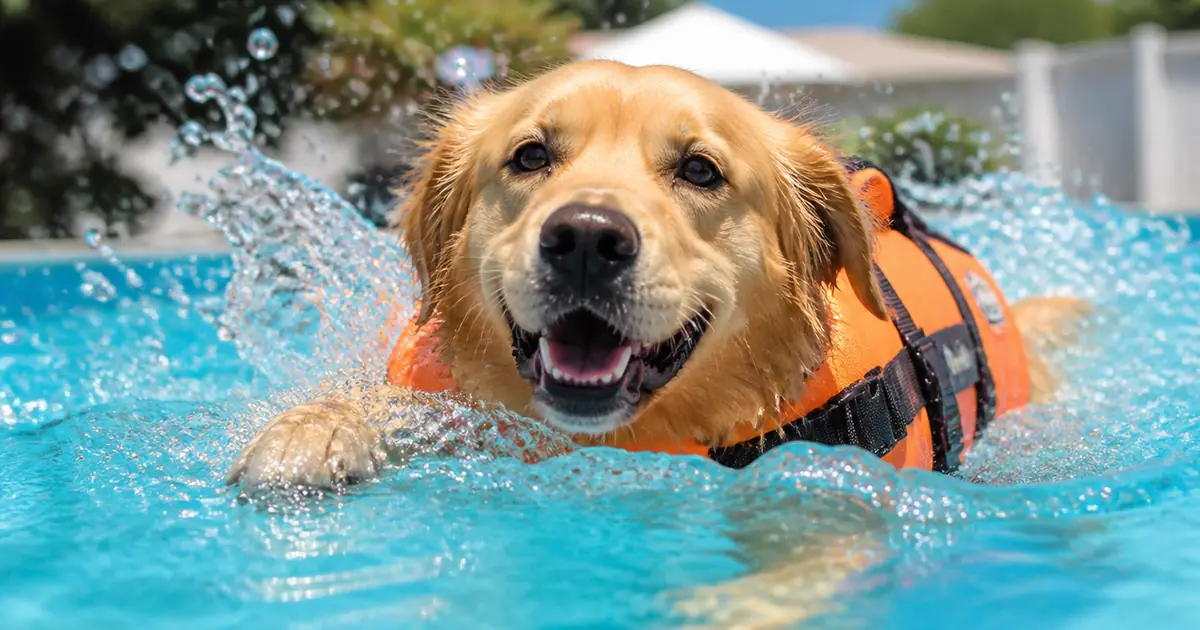
A properly fitted life jacket transforms water safety for many dogs. It provides buoyancy, visibility, and a handle for lifting your dog from water.
Dogs that especially benefit from life jackets:
- Brachycephalic breeds with breathing challenges
- Senior dogs with reduced strength and stamina
- Dogs with medical conditions affecting mobility
- Any dog in deep water, rough conditions, or boating situations
- Dogs learning to swim
Features to look for:
Buoyancy panels should support the chest and belly evenly. The jacket should keep your dog horizontal in the water, not vertical with their head tipped back.
A rescue handle on top lets you lift your dog from the water if needed. Test this feature before depending on it in an emergency.
Reflective trim improves visibility in low light conditions. This matters for evening beach walks or if your dog goes overboard from a boat.
Adjustable straps create a snug fit that does not shift during swimming. A loose jacket twists and restricts movement.
Bright colors make your dog visible to boaters and help you spot them in the water.
Popular brands like Ruffwear, Outward Hound, and Kurgo offer well-designed options. Expect to spend between thirty and eighty dollars for a quality jacket.
Recognizing Distress in the Water
Dogs cannot tell you when they are struggling. You must watch for physical signs.
Early warning signs:
- Increased panting or open-mouth breathing
- Changes in stroke rhythm or efficiency
- Attempting to climb on you or other dogs
- Heading for shore or exit points repeatedly
Signs of serious trouble:
- Panicked, thrashing movements
- Head held high with mouth wide open
- Vertical body position with minimal forward progress
- Submerging and resurfacing repeatedly
- Unresponsiveness to commands
If you see these signs, get your dog to safety immediately. Exhausted dogs can drown even in shallow water if they cannot stand or climb out.
Water Intoxication: The Hidden Danger
Water intoxication, or hyponatremia, happens when dogs swallow too much water while swimming or playing. It dilutes sodium levels and causes dangerous swelling in the brain.
Symptoms include:
- Lethargy and weakness
- Bloating or distended stomach
- Nausea and vomiting
- Loss of coordination
- Seizures
- Loss of consciousness
Prevention:
- Limit continuous water play to fifteen-minute sessions
- Offer breaks on dry land
- Use flat toys rather than balls that encourage water swallowing
- Watch dogs that love to bite at sprinklers or hoses
Water intoxication progresses rapidly. It requires immediate veterinary care. It can be fatal within hours if untreated.
Cold Water Considerations
Cold water affects dogs more than many owners realize. Hypothermia develops faster in water than in air. Water conducts heat away from the body efficiently.
Risk factors for cold water problems:
- Water temperature below sixty degrees Fahrenheit
- Small dogs with less body mass
- Short-haired breeds with minimal insulation
- Prolonged swimming sessions
- Wind that accelerates cooling
Signs your dog is too cold include shivering, slowing down, whining, or attempting to climb onto you. Blue or pale gums indicate serious hypothermia requiring immediate warming and veterinary care.
Boating Safety for Dogs
Taking your dog on a boat requires preparation beyond swimming skills.
Before the trip:
- Ensure your dog will wear a life jacket continuously
- Practice boarding and disembarking in calm conditions
- Verify your dog responds to commands despite distractions
- Pack fresh water, shade, and a first aid kit
On the water:
- Keep your dog secured or supervised at all times
- Prevent access to fishing gear, bait, and caught fish
- Watch for signs of seasickness (excessive drooling, lethargy, vomiting)
- Plan for bathroom breaks on shore
Overboard protocol:
- Turn off the engine immediately if your dog falls overboard.
- Guide them to the boarding ladder or platform
- Use the life jacket handle to assist if needed
- Practice this scenario in calm water before you need it in an emergency
Hot Weather Water Safety
Water activities in summer bring heat-related risks alongside drowning hazards.
Hot pavement and sand burn paw pads severely. Test surfaces with your hand. If you cannot hold it there for five seconds, your dog cannot walk on it.
Sunburn affects dogs with thin or light-colored coats. Apply pet-safe sunscreen to noses, ears, and bellies.
Heatstroke can develop even when swimming. Dogs exerting themselves in hot conditions overheat quickly. Watch for excessive panting, bright red gums, and weakness.
Dehydration happens faster than you think. Offer fresh water frequently, even if your dog is swimming.
After-Swim Care
Proper post-swim care prevents health issues.
Rinse thoroughly. Remove chlorine, salt, algae, and bacteria from coat and skin.
Dry ears completely. Water in the ear canal causes infections, especially in floppy-eared breeds. Use a soft towel. Consider ear cleaning solution if your dog swims frequently.
Brush out coat. Wet fur tangles easily. A quick brush prevents matting.
Check for parasites. Ticks and other pests hide in wet fur. Inspect thoroughly, especially after freshwater swimming.
Monitor for delayed issues. Vomiting, diarrhea, ear scratching, or skin irritation in the days following swimming warrant veterinary attention.
FAQ
Can all dogs learn to swim?
Most can learn basic water comfort with patient training. Not all dogs become confident swimmers. Some will always prefer to stay on shore. That is acceptable. Never force a dog into water against their will.
How long can dogs safely swim?
This varies by breed, fitness level, and water temperature. Start with five to ten minutes and gradually build up. Watch for fatigue signs. End sessions before your dog is exhausted.
Should my dog wear a life jacket in a pool?
If your dog is a confident swimmer and the pool has easy exit access, a life jacket is not necessary for casual swimming. Use one during training, for dogs with physical limitations, or when swimming extends beyond their normal capability.
Is ocean water dangerous for dogs?
Salt water itself is not dangerous in moderation. Drinking it causes digestive upset. The bigger risks are currents, waves, marine life, and water temperature. Supervision and common sense prevent most problems.
How do I know if my dog has water in their lungs?
Near-drowning causes coughing, difficulty breathing, blue gums, and lethargy. These symptoms may appear hours after the incident. Any suspected water inhalation requires immediate veterinary evaluation.
Can puppies swim?
Very young puppies should not swim. Wait until your puppy has completed their vaccination series and has enough body mass to maintain temperature. Start with shallow, supervised wading. Progress gradually.
Why does my dog shake after swimming?
Shivering is normal as dogs dry off and warm up. Persistent shaking, especially accompanied by lethargy or uncoordination, suggests hypothermia or water intoxication. This needs attention.
Should I let my dog swim in lakes and rivers?
Freshwater swimming is generally safe with precautions. Check for blue-green algae blooms, which are toxic. Avoid areas with strong currents or submerged hazards. Rinse after swimming to remove bacteria and parasites.
How do I dry my dog after swimming?
Towel dry thoroughly, paying attention to ears and paws. For long-haired breeds, a blow dryer on low heat speeds drying and prevents chilling. Never use high heat. This damages skin and coat.
Can dogs get swimmer's ear?
Yes, moisture in the ear canal creates ideal conditions for bacterial and yeast infections. Dry ears after swimming. Consider preventive ear cleaning if your dog swims frequently.
Related Articles
- Dog Summer Heat Safety and Cooling Guide 2026
- Dog Ear Infection Symptoms, Causes, and Home Care
- Dog Skin Health: Scratching, Itching, and Allergies Guide
- Dog Exercise and Mental Stimulation Guide
- Puppy Socialization Window: Critical Period Guide
- Senior Dog Care: Cognitive Dysfunction and Health
- Dog Paw Care: Protection and Injury Prevention
- Dog Car Anxiety and Travel Training Guide
Want to understand what your dog is trying to tell you? Download Dog Translator to decode barks, body language, and behavioral signals. Build a stronger bond with your furry friend through better communication.
Try it with your dog
Record a bark, scan a dog photo, or play a sound and see what happens next.