2026-07-07 · 6
Dog Summer Heat Safety: Complete Cooling Guide 2026
Summer temperatures put dogs at serious risk. Unlike humans, dogs cannot sweat effectively through their skin. They rely on panting and limited sweat glands in their paw pads to regulate body temperature. When the mercury rises, your dog depends entirely on you for protection.
Heatstroke kills dogs every summer. It happens faster than most owners realize. A quick walk on hot pavement, a car parked in partial shade, or an energetic play session at noon can push your dog's body temperature to dangerous levels. Understanding prevention and recognizing early warning signs saves lives.
Why Dogs Overheat So Quickly
Dogs have higher baseline body temperatures than humans. Normal canine temperature ranges from 101 to 102.5 degrees Fahrenheit. Their bodies work constantly to maintain this range.
The panting mechanism that cools dogs becomes less efficient as humidity rises. Evaporation from the tongue and respiratory tract drives cooling. When air is already saturated with moisture, less evaporation occurs. This is why humid heat feels worse to dogs than dry heat.
Brachycephalic breeds face additional challenges. Bulldogs, pugs, boxers, and similar dogs with shortened snouts have smaller nasal passages and less surface area for heat exchange. They overheat faster and recover more slowly.
Age and health status matter too. Puppies and senior dogs regulate temperature less efficiently. Overweight dogs carry extra insulation that traps heat. Dogs with heart conditions, respiratory issues, or thick coats face elevated risks.
Recognizing Heatstroke Warning Signs
Early recognition makes the difference between a scary moment and a tragedy. Watch for these progressive symptoms:
Excessive panting that seems disproportionate to activity level often signals the first stage. Your dog may pant harder and faster than usual, even after resting. The tongue may appear wider and flatter as blood flow increases to maximize cooling.
Bright red gums and tongue indicate vasodilation. Blood rushes to surface tissues trying to release heat. This color change is visible and alarming when you know what to look for.
Excessive drooling follows as the body pushes fluids toward the mouth for evaporative cooling. The saliva may appear thicker than normal. Some dogs foam at the mouth during heat stress.
Lethargy and weakness develop as the condition progresses. Your normally energetic dog may refuse to walk, lie down unexpectedly, or seem confused about their surroundings.
Vomiting and diarrhea sometimes occur as the body systems struggle. These symptoms indicate advancing heatstroke requiring immediate veterinary attention.
Collapse, seizures, or loss of consciousness represent life-threatening emergency stages. Organ damage becomes likely at this point. Immediate aggressive cooling and emergency veterinary care offer the only chance of survival.
The Hot Pavement Danger
Asphalt and concrete absorb and retain heat. Surface temperatures often exceed air temperatures by 50 degrees or more. What feels warm to your hand can burn your dog's paw pads severely.
Test pavement before walks. Place the back of your hand on the surface for seven seconds. If it is too hot to hold comfortably, it is too hot for your dog's paws. Wait for cooler evening hours or seek grassy routes.
Burned paw pads blister and peel. They are extremely painful and prone to infection. Recovery takes weeks. Some dogs develop lasting aversions to walking after painful pavement experiences.
Consider protective booties for summer walks. Quality dog boots create a barrier between hot surfaces and sensitive paws. Introduce them gradually so your dog accepts wearing them.
Early morning and late evening walks avoid the worst heat. Schedule exercise during cooler hours even if it means adjusting your routine. Your dog's safety matters more than convenience.
Creating Cool Spaces at Home
Air conditioning provides the safest environment during heat waves. If you have AC, keep your dog indoors during peak temperature hours. Set temperatures comfortably cool, not just barely tolerable.
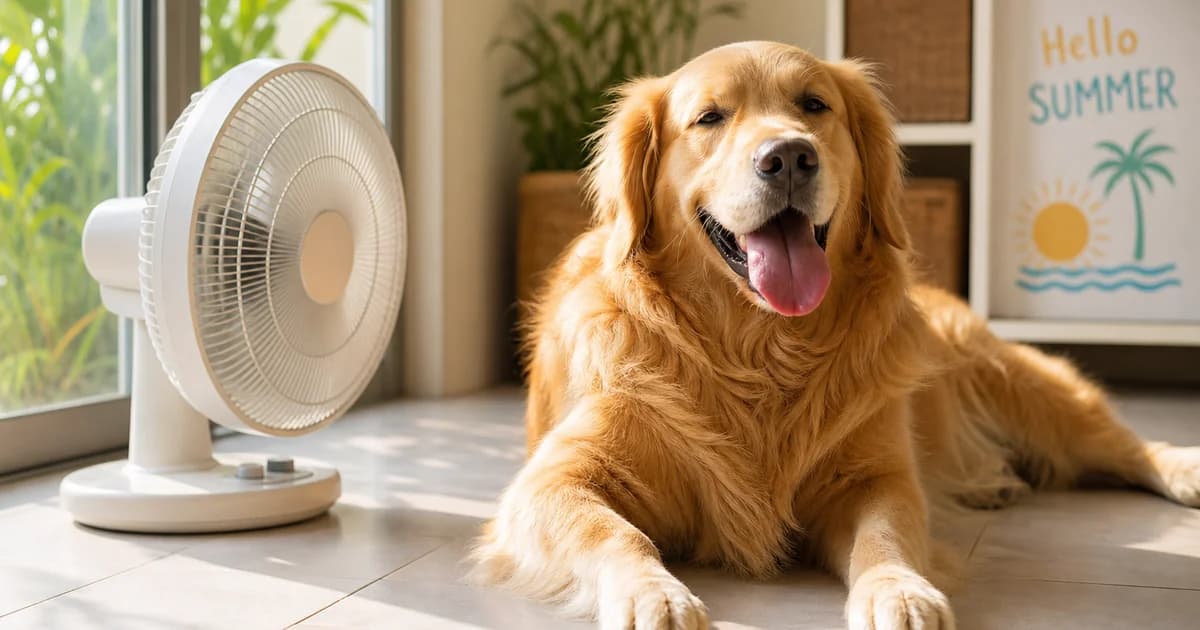
For homes without air conditioning, create cooling zones strategically. Place fans where they circulate air without blowing directly on your dog constantly. Direct airflow can cause eye irritation and dry out nasal passages.
Cooling mats offer relief for dogs who overheat easily. These pressure-activated pads absorb body heat and dissipate it. Place them in your dog's favorite resting spots.
Frozen treats serve double duty. They provide hydration and entertainment while lowering body temperature. Freeze low-sodium broth in ice cube trays or stuff Kong toys with frozen wet food.
Access to fresh water is non-negotiable. Check bowls frequently and refill with cool water. Some dogs drink more when water is fresh and slightly chilled. Consider adding ice cubes during extreme heat.
Tile and hardwood floors stay cooler than carpet. Allow your dog access to uncarpeted areas. Many dogs naturally seek out cool surfaces when they feel warm.
The Car Danger: Never Leave Dogs Unattended
Car interiors become death traps within minutes. Even with windows cracked, temperatures soar rapidly. A car parked in 70-degree weather can reach 100 degrees inside within 20 minutes.
Partial shade offers false security. As the sun moves, shade disappears. What seemed safe at 10 AM becomes dangerous by 10:30. Cloudy days still produce dangerous heat buildup.
Running the air conditioning with the dog inside seems like a solution, but it is risky. Engines stall. Batteries fail. Someone might accidentally turn off the car. The potential for disaster outweighs any convenience.
If you see a dog trapped in a hot car, act quickly. Note the license plate, car color, and location. Enter nearby stores and ask them to page the owner. Call local authorities if the dog shows distress signs. Many jurisdictions protect Good Samaritans who break windows to save animals.
Emergency Cooling: What to Do
If you suspect heatstroke, every minute counts. Begin cooling immediately while arranging veterinary care.
Move your dog to shade or air conditioning immediately. Remove them from the heat source completely. Every second in hot conditions worsens the situation.
Offer small amounts of cool, not cold, water. Let your dog drink voluntarily. Do not force water, which can cause aspiration. Avoid ice water, which constricts blood vessels and slows cooling.
Apply cool water to the body. Focus on the groin, armpits, and neck where major blood vessels run close to the surface. Use wet towels or pour water directly. Rewet towels frequently as they warm against the body.
Use fans to increase evaporative cooling. Air movement across wet fur dramatically increases heat loss. Position your dog where moving air reaches the dampened areas.
Check temperature if you have a rectal thermometer. Normalization below 103 degrees indicates progress. Stop active cooling at 103 to avoid hypothermia. The body will continue cooling naturally.
Transport to a veterinarian immediately, even if your dog seems better. Internal organ damage may not show immediately. Blood tests reveal complications like clotting disorders, kidney damage, or brain swelling. Professional assessment is essential.
What Not to Do
Avoid ice baths or extremely cold water. This seems logical but causes dangerous blood vessel constriction. Surface cooling happens while core temperature continues rising. The shock can also trigger cardiac issues.
Do not force your dog to drink large amounts. Gulping water can cause vomiting or aspiration pneumonia. Small, frequent sips work better.
Never leave a recovering dog unattended. Heatstroke can recur or worsen hours after initial symptoms resolve. Monitoring continues until veterinary clearance.
Do not assume your dog is fine because they start acting normal. The body's stress response can mask serious internal damage. Veterinary evaluation remains necessary.
Exercise Adjustments for Hot Weather
Reduce intensity and duration during summer months. A 30-minute winter walk might become a 15-minute summer stroll. Pay attention to your dog's energy levels and breathing.
Swimming provides excellent summer exercise. Water conducts heat away from the body efficiently. Many dogs love retrieving toys from lakes or pools. Supervise closely and provide fresh drinking water to prevent pool water consumption.
Indoor games substitute for outdoor exercise on dangerous days. Hide-and-seek, puzzle toys, and training sessions burn mental and physical energy without heat exposure.
Watch for overheating during play. Dogs, especially working breeds, will push themselves beyond safe limits chasing balls or playing with other dogs. You must be the responsible party who calls breaks.
Breed-Specific Considerations
Northern breeds like Huskies and Malamutes have thick double coats designed for Arctic conditions. These dogs suffer disproportionately in heat. Their coats actually provide some insulation against heat, but they still require careful management and access to cool spaces.
Giant breeds overheat quickly due to body mass. Great Danes, Saint Bernards, and similar dogs have more tissue generating heat and relatively less surface area for cooling. They need shorter exercise sessions and more rest breaks.
Dark-coated dogs absorb more solar radiation. A black Labrador heats up faster than a yellow one in direct sun. Light-colored dogs are not immune to heat risks, but they start with a slight advantage.
FAQ
What temperature is too hot for dogs outside?
There is no single safe cutoff. Factors include humidity, sun exposure, pavement temperature, your dog's breed, age, and fitness level. Many veterinarians use 85 degrees Fahrenheit as a general guideline for caution. Above 90 degrees, most dogs should stay indoors except for brief bathroom breaks.
Can I walk my dog when it is 80 degrees?
Eighty degrees can be safe with precautions. Walk during cooler morning or evening hours. Stick to grassy areas. Bring water. Watch your dog for signs of discomfort. Shorten the walk if they seem sluggish or pant heavily.
How quickly can heatstroke kill a dog?
Heatstroke can become fatal within 15 to 30 minutes in severe cases. Organ damage begins when body temperature exceeds 105 degrees. Without rapid cooling and veterinary care, the prognosis worsens dramatically. Speed of response determines survival.
Is it okay to shave my dog's coat for summer?
Usually not. Double-coated breeds need their fur for insulation against heat and sun protection. Shaving can damage the coat and increase sunburn risk. Regular brushing removes loose undercoat and improves air circulation. Consult a groomer familiar with your breed before making major coat changes.
Do cooling vests actually work for dogs?
Cooling vests help but are not magic solutions. They work through evaporation, so they are less effective in high humidity. They buy time but do not replace shade, water, and limiting activity. Use them as part of a comprehensive heat management strategy.
Can puppies handle heat better than adult dogs?
No. Puppies actually overheat faster than healthy adults. Their temperature regulation systems are still developing. They also have more energy and less sense about limiting their own activity. Extra caution applies to puppies in warm weather.
What should I do if I see a dog in a hot car?
Note the license plate, car color, make, model, and exact location. Enter nearby businesses and ask them to page the owner. Call local non-emergency police or animal control. If the dog shows severe distress (collapse, seizures, heavy panting), some jurisdictions allow breaking windows to rescue them. Know your local laws.
Are certain dog foods better for summer?
Wet food contains more moisture than kibble, which supports hydration. Some owners freeze wet food in Kong toys for cooling enrichment. Avoid sudden diet changes, which can cause digestive upset. Maintain consistent feeding schedules.
Conclusion
Summer heat poses serious risks to dogs, but informed owners can prevent tragedy. Know the warning signs. Create cool spaces. Adjust exercise routines. Never leave dogs in cars. Test pavement before walks.
Your dog depends on you for protection. They cannot tell you when they are overheating. They will keep playing, keep walking, keep pushing until their bodies fail. You must be the one who says "enough" and guides them to safety.
The Dog Translator app helps you understand your dog's behavior and communication signals year-round. While it cannot prevent heatstroke, better understanding of your dog's normal behavior helps you spot when something is wrong.
Enjoy summer with your dog safely. Early morning adventures, evening strolls, and indoor play create memories without risking health. Your dog would choose your company over any outdoor activity. Make choices that keep them around for many summers to come.
Related articles: Dog Fireworks Anxiety Training Guide, Dog Stress Signals and Calming Signals Guide, Dog Panting: What It Means
Try it with your dog
Record a bark, scan a dog photo, or play a sound and see what happens next.