2026-08-17 · 7
Dog Obesity Guide: Safe Weight Loss Through Diet and Exercise
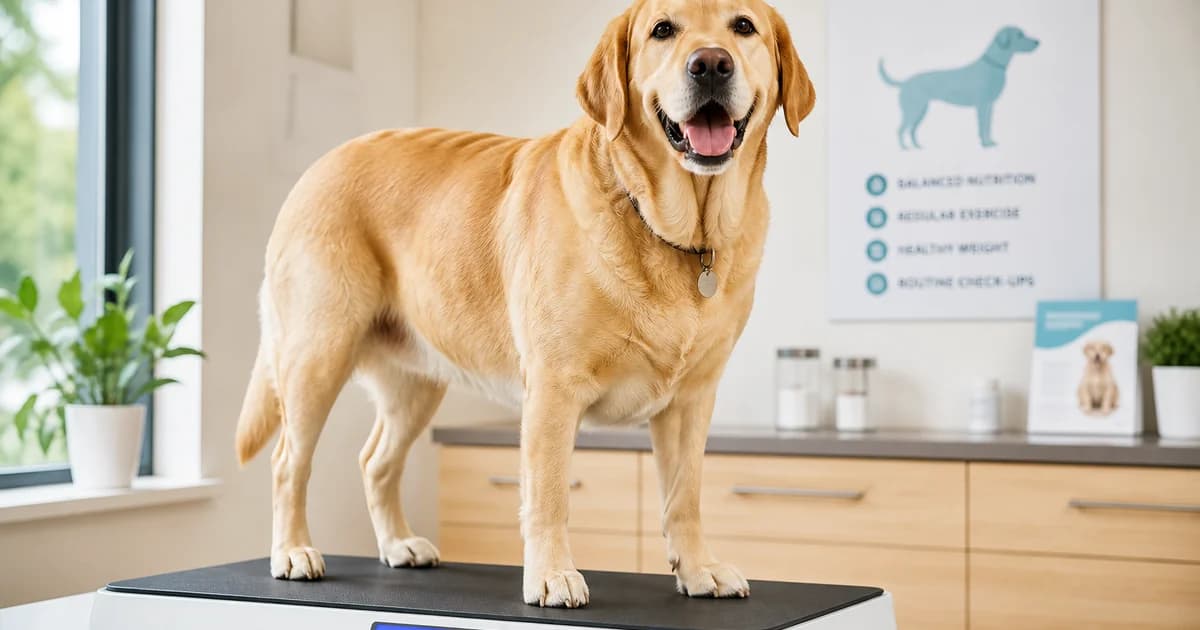
Walk through any dog park and you will see it: Labradors waddling instead of running, Dachshunds with bellies dragging, Pugs struggling to breathe after minimal exertion. Canine obesity has become an epidemic, with veterinary organizations estimating that over half of dogs in developed countries carry excess weight. This is not a cosmetic issue. Obesity shortens lives, increases disease risk, and reduces quality of life for millions of dogs.
The good news: obesity is preventable and treatable. Unlike many health conditions, weight responds predictably to changes in diet and activity. The challenge lies in implementation. Dogs do not control their own food intake or exercise schedules. Their health depends entirely on human choices.
Recognizing When Your Dog is Overweight
Many owners fail to recognize obesity in their pets. Cultural normalization plays a role. When most dogs in a neighborhood carry extra weight, healthy-weight dogs start looking thin by comparison. Learning objective assessment prevents this distorted perception.
The body condition score provides a standardized evaluation system. Veterinarians use either a 5-point or 9-point scale, with the middle value representing ideal condition. You can learn to assess this at home.
Feel your dog's ribs. At ideal weight, you should feel them easily beneath a thin layer of fat, similar to the back of your hand. If you need to press firmly to locate ribs, or cannot find them at all, your dog carries excess weight.
Look at your dog from above. There should be a visible waist behind the ribs, creating an hourglass shape. From the side, the abdomen should tuck upward from the ribcage toward the hips. A straight or sagging line indicates overweight condition.
Breeds vary in build. Greyhounds naturally show more rib definition than Bulldogs. Learn your breed's ideal conformation, or ask your veterinarian to demonstrate proper assessment for your specific dog.
Why Dogs Become Overweight
Understanding causes helps prevent recurrence. Weight gain always results from consuming more calories than expending them, but the factors driving this imbalance vary.
Overfeeding tops the list. Many owners measure food imprecisely, using scoops of varying sizes or simply filling bowls. Treats add up quickly. A single large dog biscuit can represent 10% of a small dog's daily caloric needs. Table scraps, often high in fat, compound the problem.
Inadequate exercise matters, particularly for high-energy breeds developed for active work. A Border Collie or Australian Shepherd confined to apartment life without sufficient activity will gain weight even on moderate food portions.
Medical conditions contribute in some cases. Hypothyroidism slows metabolism. Cushing's disease alters fat distribution and appetite. Certain medications increase hunger or water retention. Always rule out medical causes before assuming simple overfeeding.
Age changes everything. Metabolism slows as dogs mature. The food quantity that maintained weight at age two may cause gain at age seven. Senior dogs often need 20-30% fewer calories than their younger selves.
Neutering and spaying reduce metabolic rate by approximately 25%. Hormonal changes affect appetite regulation. Adjust food portions accordingly after these procedures.
Health Risks of Canine Obesity
The consequences extend far beyond appearance. Excess weight creates a cascade of health problems that reduce lifespan and increase veterinary costs.
Osteoarthritis develops earlier and progresses faster in overweight dogs. Extra pounds multiply stress on joints. A dog carrying ten excess pounds experiences joint loading equivalent to a human carrying thirty extra pounds due to quadruped biomechanics. This leads to pain, reduced mobility, and eventually euthanasia when quality of life deteriorates.
Diabetes mellitus risk increases dramatically. Obesity causes insulin resistance, the same mechanism driving type 2 diabetes in humans. Diabetic dogs require twice-daily insulin injections, frequent blood glucose monitoring, and expensive prescription diets for life.
Respiratory compromise affects brachycephalic breeds severely. Bulldogs, Pugs, and similar breeds already struggle to breathe due to their anatomy. Added weight compresses chest cavities further, increasing risk of heat stroke and exercise intolerance.
Cardiovascular disease parallels human patterns. Obese dogs develop hypertension, cardiac strain, and reduced exercise tolerance. The heart works harder to perfuse excess tissue.
Cancer risk rises with obesity. Adipose tissue produces inflammatory hormones that create environments where cancer thrives. Multiple cancer types show increased incidence in overweight dogs.
Surgical and anesthetic complications increase. Fat makes surgery technically more difficult, impairs wound healing, and alters drug metabolism. What should be routine procedures carry higher risk.
Creating a Weight Loss Plan
Successful weight management requires systematic approach. Random reductions in food or sudden exercise increases often fail and can harm health.
Start with veterinary consultation. Rule out medical causes. Establish target weight based on breed, frame size, and body condition scoring. Set realistic timeline, typically 1-2% of body weight loss weekly. Faster loss risks muscle wasting and metabolic adaptation.
Calculate current caloric intake honestly. Include everything: main meals, treats, table scraps, dental chews, training rewards. Many owners underestimate by 50% or more. Weigh food with a kitchen scale rather than using cups or scoops.
Determine appropriate caloric target. Veterinary therapeutic weight-loss diets provide precise formulations, but standard foods can work with proper portion control. Your veterinarian can calculate exact needs based on target weight and activity level.
Choose feeding strategy. Some dogs do well with measured meals twice daily. Others benefit from puzzle feeders that slow consumption and provide mental stimulation. Automatic feeders help households with irregular schedules.
Implement treat reformulation. Switch to low-calorie options like green beans, baby carrots, or commercial low-calorie treats. Many dogs accept vegetables enthusiastically. Measure treats into daily allowance rather than offering freely.
Exercise for Weight Loss
Diet drives weight loss; exercise preserves muscle and improves fitness. Both matter for healthy outcomes.
Start where your dog is, not where you wish they were. An obese dog cannot safely run miles. Begin with ten-minute walks and gradually increase duration as fitness improves. Watch for fatigue, lameness, or overheating.
Swimming provides ideal low-impact exercise. Water supports body weight while providing resistance. Many overweight dogs with joint pain can swim comfortably when walking hurts. Supervise closely and use canine life jackets for safety.
Play sessions count as exercise. Fetch, tug-of-war, and interactive toys increase activity without formal walks. These activities also strengthen human-animal bonds.
Consistency beats intensity. Daily moderate exercise produces better results than occasional strenuous sessions. Build routines your dog can anticipate and enjoy.
Monitor for pain. Overweight dogs often have undiagnosed osteoarthritis. If your dog lags on walks, refuses stairs, or shows stiffness after activity, consult your veterinarian about pain management. Exercise should not hurt.
Choosing the Right Diet
Not all weight-loss foods are equal. Understanding options helps you select appropriately.
Therapeutic veterinary diets offer precise formulation with proven results. These require veterinary prescription and cost more than commercial foods, but they work. The high fiber content increases satiety while reducing calories. The nutrient balance preserves muscle mass during loss.
Over-the-counter weight management formulas provide middle-ground options. Quality varies significantly. Look for foods meeting AAFCO standards with feeding trials, not just nutrient profiles. Check calorie content per cup, formulas vary enormously.
Homemade diets require veterinary nutritionist formulation to ensure completeness. Simply feeding less of regular homemade food creates deficiencies. Do not attempt without professional guidance.
Raw and grain-free diets offer no particular advantage for weight loss and carry additional risks. Raw diets pose bacterial contamination hazards. Grain-free diets have been linked to heart disease in some dogs. Focus on calorie control and nutrient balance rather than marketing trends.
Monitoring Progress
Regular assessment ensures your plan works and allows adjustment.
Weigh monthly at minimum. Weekly weighing helps during active loss phases. Use the same scale consistently. Home scales work for small dogs; large dogs may require veterinary visits or specialized pet scales.
Track body condition score alongside weight. Sometimes weight stays stable while body composition improves, muscle replacing fat. This represents progress even when the scale does not move.
Adjust calories if weight loss stalls for three weeks. Metabolic adaptation occurs. Small reductions, 10% at a time, restart progress without creating excessive hunger.
Watch for muscle loss. Ribs should not become sharply visible. Prominent hip bones or spine indicate excessive restriction. Healthy loss preserves muscle while reducing fat.
Celebrate milestones. Reaching target weight deserves recognition. Maintaining that weight long-term matters more than reaching it initially.
Maintaining Healthy Weight
The hardest part begins after reaching goal. Most dogs regain lost weight without continued vigilance.
Transition to maintenance calories gradually. Increase food by 10% increments while monitoring weight. Most dogs need 10-20% more calories for maintenance than for loss, but individual variation is significant.
Continue exercise routines. Physical activity benefits extend far beyond weight control. Dogs need movement for behavioral health and physical fitness regardless of scale readings.
Schedule quarterly weight checks. Catch regain early when small adjustments suffice. Waiting until obesity returns requires another full loss cycle.
Maintain treat discipline. The habits that enabled loss must continue indefinitely. Owners often relax restrictions after reaching goals, causing rapid regain.
When to Seek Veterinary Help
Certain situations require professional intervention beyond routine monitoring.
No weight loss despite appropriate restriction suggests metabolic issues, measurement errors, or food theft. Your veterinarian can investigate and adjust plans.
Rapid weight loss, more than 2% weekly, risks health complications. Slow the plan and verify nutrient adequacy.
Behavioral changes during restriction warrant attention. Some dogs become food-obsessed, anxious, or aggressive when calories drop severely. These responses indicate the need for plan modification.
Concurrent medical conditions complicate weight management. Diabetes, kidney disease, and other conditions require specialized dietary approaches. Never restrict food in diabetic dogs without veterinary guidance.
Frequently Asked Questions
How do I know if my dog is overweight?
Feel the ribs. You should locate them easily without pressing hard. Look for a waist when viewing from above. Check for abdominal tuck from the side. If these features are absent, your dog likely carries excess weight. Your veterinarian can provide objective assessment using body condition scoring.
What is a healthy rate of weight loss for dogs?
Aim for 1-2% of body weight weekly. A 50-pound dog should lose 0.5 to 1 pound weekly. Faster loss risks muscle wasting and metabolic problems. Slower loss indicates insufficient calorie reduction or metabolic adaptation requiring adjustment.
Can I just feed my dog less of their regular food?
Sometimes, but carefully. Simply reducing portions can create nutrient deficiencies if reduction exceeds 20-25%. Weight management formulations maintain nutrient density while reducing calories. Consult your veterinarian about whether portion reduction or food change makes more sense for your dog.
Are some breeds more prone to obesity?
Yes. Labrador Retrievers, Golden Retrievers, Cocker Spaniels, Dachshunds, Beagles, and Pugs show higher obesity rates. Genetic factors affect appetite regulation and metabolism. These breeds require particular vigilance regarding weight.
How many treats can I give my dog during weight loss?
Treats should not exceed 10% of daily calories during weight loss. For a dog eating 400 calories daily, that is 40 treat calories, roughly one small commercial treat. Use vegetables like green beans or carrots for volume without calories.
Will neutering make my dog fat?
Neutering reduces metabolic rate and can increase appetite, but it does not automatically cause obesity. Adjust food portions after the procedure. Monitor weight closely for several months post-surgery and reduce calories if gain begins.
Is my dog just big-boned?
Frame size varies, but big-boned dogs have larger skeletal structures, not excess fat. You can still feel ribs easily on a large-framed dog at healthy weight. Fat deposition occurs independently of bone structure. Use body condition scoring rather than weight alone for assessment.
Can overweight dogs exercise too much?
Yes, particularly if unaccustomed to activity. Start gradually and watch for fatigue, lameness, or overheating. Very obese dogs may need veterinary clearance before beginning exercise programs. Swimming offers safer initial activity than running for significantly overweight dogs.
How long does weight loss take?
Expect several months for substantial loss. A dog needing to lose 20 pounds might require 5-6 months at safe rates. Patience matters. Rapid approaches fail long-term. Sustainable changes produce lasting results.
What if my dog seems hungry all the time?
Hunger during restriction is common, particularly early in programs. High-fiber foods increase satiety. Feeding smaller, more frequent meals helps some dogs. Puzzle feeders slow consumption and extend meal duration. Ensure your dog receives adequate volume even while calories decrease.
Canine obesity represents one of the most preventable health crises facing dogs today. The solution lies not in complex interventions but in consistent application of basic principles: appropriate food quantity, quality nutrition, and regular activity. Your dog depends on you for these fundamentals.
If you are struggling with your dog's weight management, consult your veterinarian for personalized guidance. Small changes, maintained consistently, transform health over time. The investment you make in your dog's healthy weight returns years of improved quality of life.
Related articles: Dog Body Language Complete Guide, Dog Exercise and Mental Stimulation, Dog Nutrition Basics
Try it with your dog
Record a bark, scan a dog photo, or play a sound and see what happens next.