2026-05-25 · 6
Dog Eye Contact Explained: What Whale Eye and Staring Really Mean
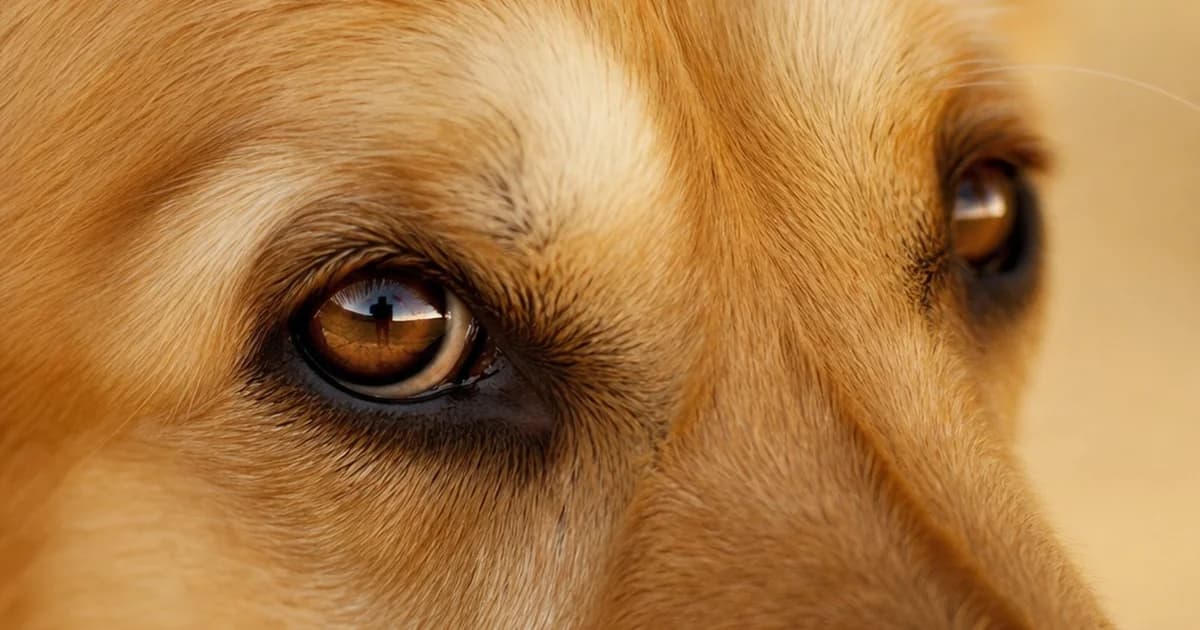
Dogs speak with their eyes just as clearly as they do with their tails and ears. A soft blink, a hard stare, or the whites of their eyes showing can tell you exactly how your dog is feeling. Understanding these signals helps you respond appropriately and build a stronger bond with your pet.
What Most Dog Owners Miss About Eye Contact
Humans view eye contact as a sign of connection and trust. We look into each other's eyes to show we're listening, to express affection, and to build rapport. For dogs, eye contact carries completely different social meaning.
In the canine world, direct eye contact is often confrontational. Two dogs staring at each other are usually engaged in a challenge or standoff. That doesn't mean your dog sees your eye contact as aggressive, but it does mean you need to understand the nuances of how dogs interpret visual attention.
The key insight most owners miss is context. A dog looking into your eyes while relaxed at home is showing trust. The same dog staring at another dog at the park might be signaling something very different. Learning to read the context is what separates owners who understand their dogs from those who are constantly confused by their behavior.
Understanding Whale Eye in Dogs
Whale eye is one of the most misunderstood dog expressions. It happens when a dog turns their head away from something but keeps their eyes focused on it, showing the whites of their eyes. The result looks like a sideways glance with lots of white visible.
Many owners mistake whale eye for guilt or shame. You might see it when your dog has done something wrong and you're scolding them. But whale eye isn't about guilt. It's about stress, anxiety, and a desire to create distance from a situation the dog finds uncomfortable.
When a dog shows whale eye, they're essentially saying "I don't want to be here right now" or "This situation is making me nervous." It's a displacement behavior, a way of looking away without fully turning away. The dog wants to monitor the threat while also signaling that they're not looking for confrontation.
Common situations where dogs show whale eye include being hugged or restrained, being examined by a veterinarian, encountering a person or dog they find intimidating, and being in a crowded or overwhelming environment. If you see whale eye, your dog needs space.
The Soft Blink: A Sign of Trust
At the opposite end of the spectrum from whale eye is the soft blink. This is when your dog looks at you and slowly closes and opens their eyes. It's one of the most heartwarming expressions a dog can make, and it carries a clear message.
The soft blink is a sign of relaxation and trust. In dog body language, closing your eyes around another being is vulnerable. Predators and threats are watched with open eyes. When your dog soft blinks at you, they're saying they feel safe enough to let their guard down.
You can actually use this signal to communicate back. Try soft blinking at your dog when they're relaxed. Many dogs will return the gesture, creating a moment of mutual trust and connection. It's one of the simplest ways to tell your dog you love them in a language they understand.
Some researchers believe the soft blink evolved from puppy behavior. Puppies often close their eyes when nursing or being groomed by their mother. The association between closed eyes and safety runs deep in canine psychology.
Hard Stares and When to Worry
A hard stare is different from normal looking. It involves fixed, unblinking eye contact, often with a tense facial expression and stiff body posture. This is the kind of eye contact dogs use with each other before aggression erupts.
If your dog gives a hard stare to another dog, intervene immediately. Separate the dogs and create distance. The hard stare is a final warning before action. Ignoring it risks an escalation that could result in a fight.
Hard stares directed at humans are less common but still concerning. A dog who stares hard at a person while stiffening their body isn't being friendly. They're assessing a potential threat. This behavior is more common in dogs with fear-based aggression or resource guarding issues.
The difference between a hard stare and attentive looking is in the tension. A dog who is simply watching you will have soft facial muscles and may glance away periodically. A dog giving a hard stare is frozen, muscles tight, completely focused. Learn to recognize the difference.
Looking Away: The Calming Signal
Dogs frequently look away from things that make them uncomfortable. This isn't rudeness or disinterest. It's a deliberate calming signal, a way of saying "I'm not a threat" to de-escalate a potentially tense situation.
If you try to engage with your dog and they look away, they're asking for space. This is particularly common when strangers approach dogs too quickly or lean over them. The dog looks away to avoid the confrontational nature of direct eye contact.
Smart dog owners learn to respect this signal. When a dog looks away, back off. Give them room to approach on their own terms. Forcing interaction after a dog has signaled discomfort damages trust and can lead to defensive behavior.
Looking away is also a useful tool for you as an owner. If your dog is getting overexcited or anxious, looking away from them can help them calm down. You're essentially speaking their language, telling them you're not a threat and they can relax.
The Puppy Dog Eyes Phenomenon
That soulful look dogs give with raised eyebrows and big eyes isn't accidental. Research has shown that dogs have evolved specific facial muscles to make expressions that appeal to humans. The puppy dog eyes look triggers nurturing responses in people.
When your dog gives you those big eyes, they're communicating a need. It might be hunger, a desire to play, or simply a request for attention. The expression is effective because it mimics the facial expressions of human infants, triggering our instinct to care for them.
However, don't assume every soulful look is a genuine emotional appeal. Dogs are excellent at learning what works. If making puppy dog eyes gets them treats or attention, they'll use the expression strategically. That's not manipulation. It's intelligent communication.
Eye Contact During Training
Training is one context where eye contact becomes particularly important. Many training methods rely on the dog looking at the handler for cues and guidance. Teaching your dog to make eye contact on command is a valuable skill.
The key is to make eye contact rewarding, not forced. Start in a quiet environment with minimal distractions. Hold a treat near your face and wait for your dog to look at your eyes. The moment they do, mark the behavior with a clicker or word and give the treat.
Over time, you can extend the duration of eye contact and add distractions. Eventually, you'll have a dog who checks in with you regularly, looking to your eyes for guidance. This is particularly useful in situations with lots of stimulation, like busy parks or urban environments.
Some dogs naturally avoid eye contact due to past experiences or temperament. Be patient with these dogs. Forcing eye contact can increase anxiety. Let them approach it at their own pace, and celebrate small improvements.
Reading Context: The Complete Picture
Eye signals never exist in isolation. To truly understand what your dog is communicating, you need to look at the whole picture. What are their ears doing? What's their tail position? How is their body posture?
A dog showing whale eye with a wagging tail and relaxed body is less concerned than a dog showing whale eye with a tucked tail and frozen posture. The same eye signal can mean different things depending on what the rest of the body is saying.
Environmental context matters too. A dog who avoids eye contact at the vet is probably nervous. The same dog avoiding eye contact at home might simply be tired or relaxed. Always consider where you are and what's happening around you.
Building Better Communication With Your Dog
Understanding dog eye contact is about more than interpreting individual signals. It's about developing a shared language with your pet. When you learn to read their eyes, you understand their emotional state better. When you use appropriate eye contact yourself, you communicate more clearly.
Start paying attention today. Watch your dog's eyes during different activities and emotional states. Notice how they change when your dog is happy, nervous, excited, or tired. The patterns will become clear with observation.
Remember that every dog is an individual. Some dogs make lots of eye contact naturally. Others avoid it. Learn your dog's baseline and watch for changes. A dog who normally makes eye contact but suddenly starts avoiding it may be feeling unwell or stressed.
FAQ: Understanding Your Dog's Eye Signals
Why does my dog look away when I try to make eye contact?
Dogs often look away to avoid confrontation. In canine communication, direct eye contact can be threatening. Your dog is likely showing respect and avoiding what they perceive as a challenge. This is particularly common with shy dogs or in situations where the dog feels uncertain.
Is whale eye always a sign of aggression?
No, whale eye is usually a sign of anxiety or stress, not aggression. It's a way for dogs to monitor something concerning while signaling they're not looking for conflict. However, if whale eye is combined with other warning signs like growling or stiff posture, it could precede defensive aggression.
Should I make eye contact with unfamiliar dogs?
Avoid direct eye contact with dogs you don't know. Let them approach you first, and if they seek interaction, use soft, brief glances rather than sustained staring. Direct eye contact with a nervous or territorial dog can trigger a defensive response.
Why does my dog stare at me while I eat?
That intense stare is usually about wanting food. Dogs learn quickly that humans are food sources, and staring is their way of saying "I'd like some of that." It's not necessarily rude in dog terms, though it can feel intense from a human perspective.
Can I train my dog to make more eye contact?
Yes, eye contact can be trained using positive reinforcement. Start by holding a treat near your face and rewarding your dog when they look at your eyes. Gradually extend the duration and add distractions. Some dogs naturally avoid eye contact, so be patient and never force it.
Related Articles
- Understanding Dog Barking: What Your Dog Is Trying to Tell You
- Dog Ear Positions: Reading Canine Emotions Through Ear Signals
- Why Is My Dog Panting? Decoding This Common Behavior
- Dog Tail Wagging: What Different Wags Really Mean
- Understanding Dog Whining: Causes and Solutions
Build a Stronger Bond With Your Dog
Understanding your dog's eye communication opens up a new level of connection. You'll catch stress signals before they escalate, recognize moments of trust and affection, and respond to your dog's needs more effectively.
Download Dog Translator today to decode more of your dog's communication. From barks to body language, understand what your best friend is really trying to tell you.
[APP_STORE_LINK]
Try it with your dog
Record a bark, scan a dog photo, or play a sound and see what happens next.