2026-05-22 · 7
What Your Dog's Tail Is Really Saying: A Complete Wagging Guide
A wagging tail does not always mean a happy dog. Tail position, speed, and direction all communicate different emotions and intentions. Learning to read these subtle signals helps you understand what your dog is really feeling and respond appropriately to their needs.
Why Dogs Wag Their Tails
Dogs wag their tails to communicate. Unlike humans who rely heavily on facial expressions and speech, dogs use body language as their primary communication method. The tail serves as a visible signal that can be seen from a distance, making it perfect for canine social interaction.
Research has shown that tail wagging serves functions similar to a human smile, polite greeting, or nod of recognition. It is a social signal that evolved specifically for communication between dogs and, through domestication, with humans as well.
Not all tail movement is voluntary. Some wagging happens as an automatic emotional response, like a human smiling when happy. Other wags are deliberate communication, used to signal specific intentions to other dogs or people.
The Happy Wag: Loose and Relaxed
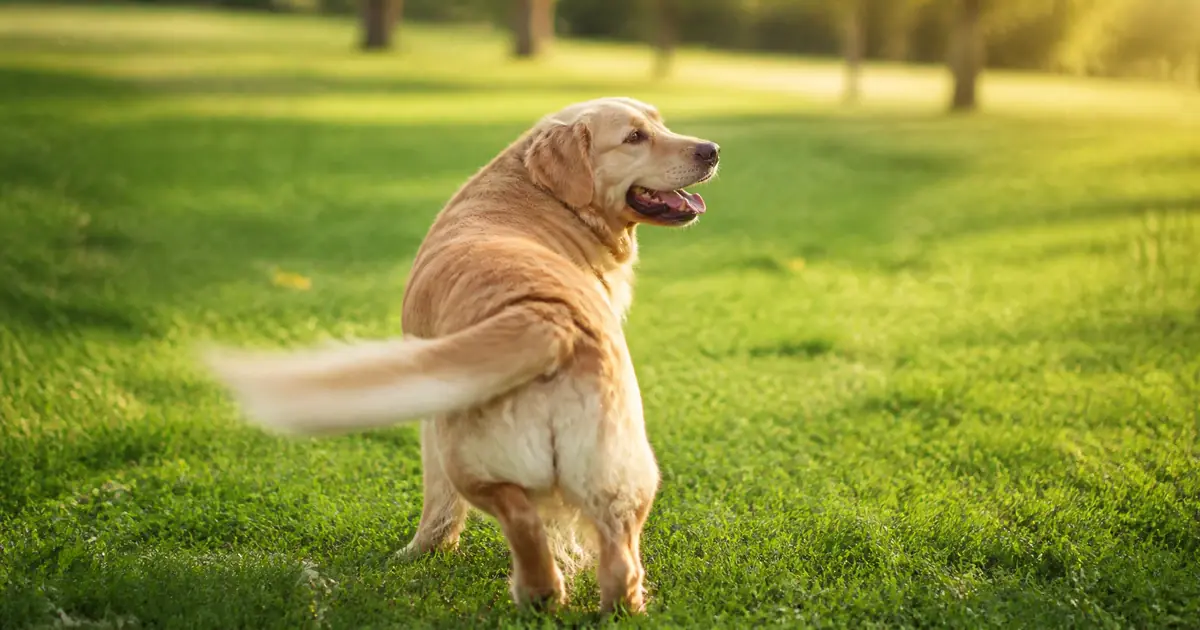
A truly happy tail wag is easy to recognize once you know what to look for. The tail moves in a loose, sweeping motion from side to side. The movement often involves the whole body, with hips swaying along with the tail.
The position matters as much as the motion. A happy dog holds their tail at mid-height or slightly raised. The tail is relaxed, not stiff. The speed is moderate, not frantic. Think of a metronome set to a comfortable tempo rather than a vibrating phone.
Body language confirms the emotional state. Ears are in a natural position, eyes are soft, and the mouth may be slightly open in what looks like a relaxed smile. The overall impression is loose and comfortable, not tense or rigid.
This is the wag most people recognize, but it is not the only type. Assuming every wag indicates happiness can lead to miscommunication and potentially dangerous situations.
The Alert Wag: High and Stiff
When a dog holds their tail high and wags it stiffly, they are alert and assessing the situation. This is not necessarily aggression, but it is not relaxed friendliness either. The dog is paying close attention and deciding how to respond.
The tail position resembles a flag raised on a pole. It moves in short, rapid strokes rather than sweeping arcs. The rest of the body is often still and focused, with weight shifted forward and muscles tensed for potential action.
This wag appears when a dog notices something interesting or potentially threatening. They are gathering information and preparing to react. The emotional state is aroused but not necessarily negative.
Approach dogs showing this tail position with caution. They are not in a relaxed state and may react unpredictably if startled or pressured. Give them space to assess and calm down.
The Nervous Wag: Low and Tight
A tail held low and wagging in tight, rapid movements often indicates anxiety or submission. The dog is communicating that they mean no threat and are uncertain about the situation.
The tail may even tuck between the legs while still moving slightly. This is not the same as a tucked tail without movement, which usually signals fear. The wag adds a layer of appeasement, an attempt to show friendly intentions despite feeling uncomfortable.
Body language supports this interpretation. Ears may be back, eyes might show whites, and the body posture is lowered. Some dogs will lick their lips or yawn, both signs of stress.
This tail position deserves attention and gentle handling. The dog is telling you they are not comfortable. Forcing interaction can escalate their anxiety into fear or defensive behavior.
The Right vs Left Wag: Direction Matters
Research has revealed something fascinating about tail wagging. Dogs tend to wag more to the right side when feeling positive emotions and more to the left when feeling negative emotions. This bias reflects brain hemisphere specialization, similar to humans.
A right-biased wag, where the tail spends more time on the dog's right side, suggests relaxation, confidence, and positive feelings. The dog is experiencing something pleasant and their body language reflects this emotional state.
A left-biased wag indicates nervousness, anxiety, or uncertainty. The dog is processing something as potentially threatening or worrisome. Their tail movement betrays their internal emotional conflict.
This subtle cue is difficult to spot without practice, but it adds another layer of information for attentive owners. Watching which way the tail favors can help you understand your dog's true feelings about a situation.
The Fast Wag: Excitement or Arousal
Speed adds meaning to tail movement. A very fast wag, where the tail is practically vibrating, indicates high arousal. This could be excitement, anxiety, or aggression depending on the context and other body language.
Excited fast wags usually come with other happy signals. The dog may be jumping, spinning, or making happy vocalizations. The whole body is involved in expressing joy about seeing you, going for a walk, or getting a treat.
Anxious fast wags accompany stress signals. The dog might be panting, pacing, or showing other signs of nervousness. The speed reflects their internal state of agitation rather than happiness.
Aggressive fast wags are rare but serious. They combine rapid tail movement with stiff body posture, direct staring, and potentially growling. This is a warning sign that should not be ignored.
The Slow Wag: Uncertainty or Assessment
A slow, deliberate tail wag suggests the dog is uncertain and assessing the situation. They are neither fully comfortable nor clearly threatened. The slow movement reflects their cautious evaluation.
This wag often appears when a dog meets someone new or encounters an unfamiliar situation. They are gathering information before deciding how to feel. The tail movement is tentative, testing the waters.
Body language usually matches this uncertainty. The dog may stand still, watching carefully. Ears are often forward, collecting information. The overall impression is of someone sizing up a situation before committing to a reaction.
Patience serves you well with dogs showing slow wags. Give them time to assess and become comfortable. Pushing interaction before they are ready can push them toward fear or defensiveness.
Breed Differences in Tail Communication
Not all dogs communicate with their tails the same way. Breed characteristics affect tail position and movement, which can complicate interpretation if you are not familiar with the specific dog.
Dogs with curled tails, like Pugs or Shiba Inus, naturally hold their tails higher. What looks like an alert or dominant position may simply be their neutral stance. You need to learn their individual baseline to recognize changes.
Dogs with docked tails have limited communication ability. They cannot express themselves as fully through tail movement, which may lead them to rely more on other body language signals. Pay extra attention to ear position, body posture, and facial expressions with these dogs.
Some breeds have naturally low tail carriage. Greyhounds and Whippets often hold their tails low even when happy. Do not assume a low tail means a sad or submissive dog if that is normal for their breed.
When Tail Wagging Indicates Problems
Sometimes tail movement signals physical rather than emotional issues. Understanding these medical indicators can help you recognize when your dog needs veterinary care rather than behavioral intervention.
A tail that is limp or hanging straight down may indicate limber tail syndrome, a painful condition often seen in working dogs after swimming or heavy exercise. The tail muscles become strained and the dog cannot raise their tail normally.
Excessive tail chasing or biting at the tail can indicate skin problems, pain, or compulsive behavior. While occasional chasing is normal play, persistent focus on the tail suggests something is wrong.
A tail that suddenly stops wagging in a normally happy dog may signal injury or illness. Changes in tail behavior warrant attention, especially when they appear suddenly or accompany other symptoms.
Learning Your Individual Dog's Signals
While general principles apply to most dogs, every individual has their own communication style. Spending time observing your specific dog helps you learn their personal baseline and recognize when something is different.
Notice how your dog wags their tail in situations you know they enjoy. This establishes their happy wag pattern. Compare this to how they wag when meeting strangers or hearing a scary noise. The differences reveal their emotional range.
Video can help with observation. Recording your dog in different situations allows you to review their body language at your own pace. You may notice subtle signals you missed in real time.
Context always matters. The same tail position can mean different things depending on what is happening around your dog. Consider the whole situation before interpreting any single signal.
Improving Your Communication With Your Dog
Understanding tail language improves your relationship with your dog. When you can read their signals accurately, you respond appropriately to their needs. This builds trust and prevents misunderstandings that can damage your bond.
Start by watching your dog during routine activities. Meal times, walks, and play sessions all provide opportunities to observe natural tail communication. Notice how the tail moves in familiar, comfortable situations.
Then watch during new or potentially stressful experiences. Vet visits, meeting new dogs, and encountering unfamiliar sounds all trigger different emotional responses. Compare these tail positions to the baseline you established.
Over time, you will develop an intuitive sense of what your dog is feeling. This understanding helps you advocate for them, removing them from situations that cause stress and providing comfort when they need it.
Related Articles
- Dog Barking Communication Guide
- Dog Body Language: What Your Pup Is Really Saying
- Why Do Dogs Bark at Night?
- How to Stop Excessive Barking
- Puppy Behavior: What's Normal and What's Not
Frequently Asked Questions
Does a wagging tail always mean a happy dog?
No. Tail wagging indicates emotional arousal, not necessarily happiness. The position, speed, and context reveal whether the emotion is positive or negative. A stiff, high wag can indicate alertness or even aggression.
Why does my dog wag their tail when I scold them?
This is often a submissive gesture, not defiance. The dog is trying to appease you and show they mean no threat. The wag combined with other submissive body language indicates they understand you are upset.
Can dogs control their tail wagging?
Some tail movement is voluntary and some is automatic. Emotional responses trigger involuntary wagging, similar to human facial expressions. Dogs can also deliberately wag to communicate specific intentions.
Why do dogs wag their tails differently with different people?
Dogs form individual relationships and adjust their communication accordingly. A dog may show full happy wags for family members and more reserved wags for strangers based on their comfort level with each person.
Should I worry if my dog's tail stops wagging?
A sudden change in tail behavior warrants attention. If a normally waggy dog stops moving their tail, check for injury or illness. Persistent limpness or changes in carriage should be evaluated by a veterinarian.
Want to understand your dog better? Download Dog Translator for bark analysis, body language tips, and breed information.
Try it with your dog
Record a bark, scan a dog photo, or play a sound and see what happens next.