2026-05-23 · 7
Why Is My Dog Panting? Understanding Heavy Breathing in Dogs
Panting is one of the most common dog behaviors, but it serves multiple purposes beyond simply cooling down. Understanding when panting is normal and when it signals a problem helps you keep your dog healthy and comfortable. This guide breaks down the different reasons dogs pant and what you should watch for.
Why Dogs Pant: The Basics
Dogs pant primarily to regulate their body temperature. Unlike humans, who sweat through skin, dogs have limited sweat glands located only in their paw pads. Panting allows evaporative cooling through the mouth and respiratory tract, making it essential for temperature control.
The mechanics are simple but effective. Rapid breathing moves air across the moist surfaces of the tongue and lungs. This evaporation removes heat from the body, cooling the blood that circulates through these areas. A panting dog can take up to 400 breaths per minute, far more than their normal resting rate.
While temperature regulation is the primary function, panting also serves communication purposes. Dogs pant when excited, stressed, or in pain. Learning to distinguish between these different types of panting helps you understand what your dog is experiencing.
Normal Panting: After Exercise and in Heat
The most common and normal reason for panting is recent physical activity. After a walk, play session, or any exercise, dogs pant to cool down. This panting should gradually decrease as their body temperature returns to normal.
Hot weather also triggers normal panting. Dogs exposed to warm temperatures, especially if they are outside in direct sunlight, will pant more to compensate for the heat. Providing shade, water, and cool spaces helps them regulate more effectively.
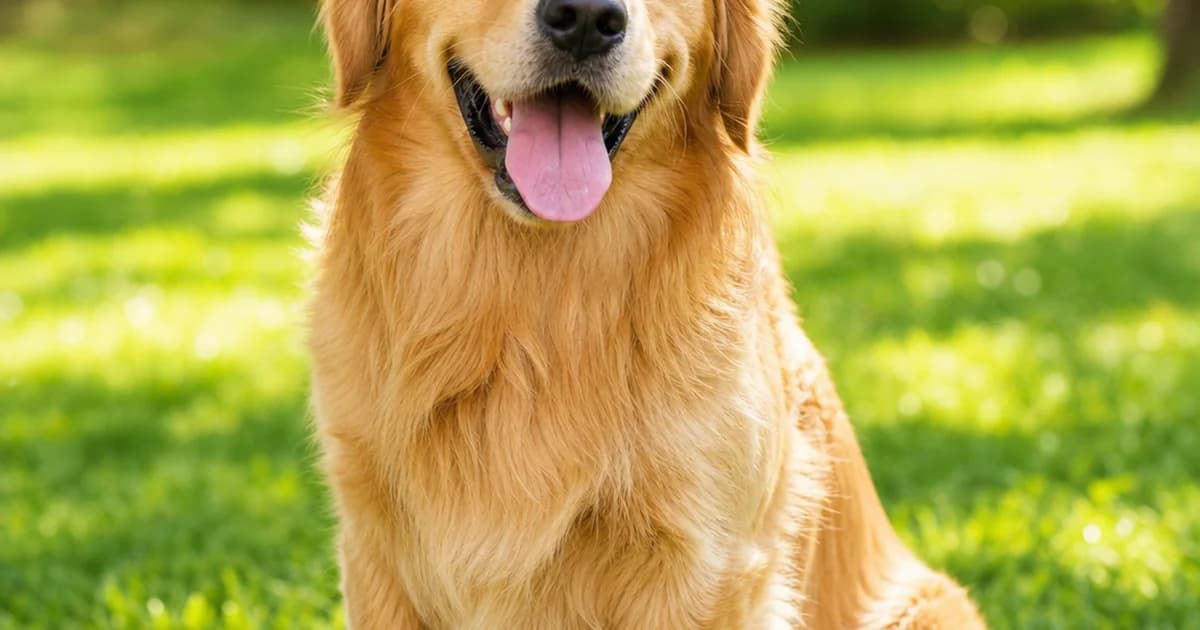
The characteristics of normal panting are consistent. The breathing is rapid but not labored. The tongue may hang out slightly. The dog appears comfortable between breaths, not distressed. Recovery happens within a reasonable timeframe after the heat source or activity stops.
Brachycephalic breeds like Bulldogs and Pugs pant more than other dogs due to their shortened snouts. Their respiratory systems are less efficient, making panting a more constant companion. These dogs require extra attention in warm weather.
Excitement Panting: Happy but Breathless
Many dogs pant when excited. This might happen when you come home, when they see their leash, or when visitors arrive. The panting accompanies other signs of happiness like wagging tails and bouncy movements.
Excitement panting differs from heat-related panting in context. The environmental temperature is normal, and the dog has not been exercising. The trigger is emotional rather than physical. The panting may be accompanied by whining or happy vocalizations.
This type of panting is harmless though it can be excessive in some dogs. Teaching calm behaviors and rewarding relaxed states helps manage over-excitement. However, some dogs are simply more vocal and animated by nature.
Puppies are particularly prone to excitement panting. Everything is new and stimulating, and they have not yet learned emotional regulation. Most puppies outgrow the worst of it as they mature, though excitable dogs may always pant when happy.
Stress and Anxiety Panting: Nervous Breathing
Panting can indicate stress or anxiety. This type of panting often appears suddenly in response to a trigger like thunderstorms, fireworks, or unfamiliar situations. The dog may show other stress signals alongside the heavy breathing.
The panting associated with anxiety has a different quality than normal cooling. It may be more shallow and rapid. The dog might pace, whine, or seek comfort while panting. Their eyes may be wide, and their body tense.
Common triggers include vet visits, car rides, separation from owners, and loud noises. Some dogs have specific phobias that cause predictable anxiety panting. Knowing your dog's triggers helps you anticipate and manage these episodes.
Helping an anxious dog requires addressing the underlying fear rather than just the panting. Comforting your dog is appropriate when they are genuinely distressed. Long-term solutions may involve desensitization training or professional behavioral help.
Pain-Related Panting: A Warning Sign
Dogs often pant when they are in pain. This is an important signal to recognize because dogs typically hide discomfort. Panting may be the only visible sign that something is wrong.
Pain-related panting tends to be more constant than situational panting. The dog may pant while resting, not just after activity. The breathing might be shallow or accompanied by other signs like restlessness, reluctance to move, or changes in appetite.
Common causes include arthritis, injuries, dental problems, and internal issues. Older dogs may pant more due to chronic pain conditions. Any sudden increase in panting, especially in a senior dog, warrants veterinary attention.
If you suspect your dog is panting due to pain, consult a veterinarian. Dogs are stoic animals that often mask suffering. Panting is a significant sign that should not be ignored.
Medical Causes of Excessive Panting
Several medical conditions cause increased panting beyond normal temperature regulation. Understanding these helps you recognize when veterinary care is needed.
Heart disease reduces the efficiency of circulation, making dogs pant more to compensate for poor oxygen delivery. The panting may worsen with mild activity or occur even at rest. Other signs include coughing, weakness, and reduced exercise tolerance.
Respiratory disorders like pneumonia, asthma, or collapsed trachea affect breathing efficiency. Dogs with these conditions pant more because their respiratory systems struggle to meet oxygen demands. Breathing may sound noisy or labored.
Cushing's disease, a hormonal disorder, causes excessive panting along with other symptoms like increased thirst, appetite changes, and hair loss. This condition requires veterinary diagnosis and management.
Anemia reduces the blood's oxygen-carrying capacity, triggering compensatory panting. The gums may appear pale. This is a serious condition that needs prompt veterinary attention.
Heatstroke: An Emergency
Excessive panting can indicate heatstroke, a life-threatening emergency. This occurs when a dog's body temperature rises dangerously high, overwhelming their cooling mechanisms.
Signs of heatstroke include heavy rapid panting, bright red gums, thick saliva, weakness, and collapse. The dog may appear confused or uncoordinated. This condition progresses quickly and can be fatal without immediate intervention.
Certain factors increase heatstroke risk. Brachycephalic breeds, overweight dogs, seniors, and those with heart conditions are more vulnerable. Hot humid weather, lack of shade, and being left in cars create dangerous situations.
If you suspect heatstroke, move your dog to a cool area immediately. Offer small amounts of cool water and apply cool (not cold) water to their body. Seek emergency veterinary care. Heatstroke causes internal damage that may not be immediately apparent.
When Panting Requires Veterinary Attention
Not all panting is an emergency, but some situations warrant professional evaluation. Knowing when to call the vet helps you balance appropriate caution with unnecessary worry.
Seek immediate care for panting accompanied by difficulty breathing, blue or pale gums, collapse, or extreme lethargy. These signs indicate serious respiratory or cardiovascular problems requiring urgent treatment.
Schedule a veterinary appointment for panting that is new, excessive, or occurs at rest in a previously normal dog. Gradual increases in panting, especially in senior dogs, may indicate developing health issues.
Monitor panting that occurs with other symptoms like coughing, weight changes, or behavior changes. These combinations suggest underlying medical conditions that need diagnosis and treatment.
Managing Normal Panting
For healthy dogs, managing panting involves providing appropriate environmental conditions and monitoring for changes. Simple steps keep your dog comfortable and safe.
Ensure constant access to fresh water. Hydration supports the evaporative cooling that panting provides. Change water frequently and provide multiple water sources, especially in multi-dog households.
Provide cool spaces during warm weather. Air conditioning, fans, and cool floors help dogs regulate their temperature. Outdoor dogs need shade and shelter from direct sun.
Avoid exercise during the hottest parts of the day. Early morning and evening walks are safer when temperatures rise. Hot pavement can burn paws and increase body temperature.
Maintain a healthy weight. Overweight dogs pant more because excess fat insulates the body and makes cooling less efficient. Weight loss often reduces panting in obese dogs.
Understanding Your Individual Dog
Every dog has a baseline panting pattern that is normal for them. Learning your dog's typical behavior helps you recognize when something changes.
Observe your dog in various situations. Note their breathing after exercise, in warm weather, and when excited. This baseline makes abnormal panting easier to spot.
Consider breed, age, and health status. A Pug will pant more than a Greyhound. A senior dog may pant more than they did as a young adult. Individual factors matter as much as general rules.
Related Articles
- Dog Barking Communication Guide
- Dog Tail Wagging: What Your Dog's Tail Is Saying
- Dog Whining: Understanding This Common Behavior
- Dog Ear Positions: What Your Dog's Ears Are Telling You
- Dog Body Language: What Your Pup Is Really Saying
Frequently Asked Questions
Is it normal for my dog to pant while sleeping?
Light panting during sleep can be normal, especially if the room is warm or the dog was active before bed. However, heavy or labored breathing during rest warrants veterinary attention.
Why does my dog pant in the car?
Car panting often indicates excitement, anxiety, or motion sickness. Some dogs love car rides and pant from excitement. Others find car travel stressful. Identifying the cause helps you address it appropriately.
Can I give my dog something to stop panting?
Never give human medications to stop panting without veterinary guidance. Panting is a symptom, not a disease. Treating the underlying cause is the appropriate approach.
How much panting is too much?
Panting that occurs at rest in a cool environment, panting that interferes with normal activities, or panting accompanied by other symptoms is excessive. Trust your instincts; you know your dog best.
Do anxious dogs pant more?
Yes. Anxiety increases heart rate and respiratory rate, leading to more panting. Addressing the anxiety through training, environmental changes, or professional help reduces the associated panting.
Want to understand your dog better? Download Dog Translator for bark analysis, body language tips, and breed information.
Try it with your dog
Record a bark, scan a dog photo, or play a sound and see what happens next.