2026-08-18 · 7
Dog Paw Pad Hyperkeratosis: Causes, Treatment & Prevention Guide
If you have noticed hard, crusty growths on your dog's paw pads or nose, you are likely dealing with hyperkeratosis. This condition occurs when the body produces too much keratin, the protein that forms skin, hair, and nails. On paw pads, excess keratin creates thick, dry, sometimes cracked surfaces that can cause discomfort or lead to infections if left untreated.
Understanding what causes hyperkeratosis, how to manage it at home, and when veterinary intervention becomes necessary will help you keep your dog comfortable.
What Is Hyperkeratosis in Dogs
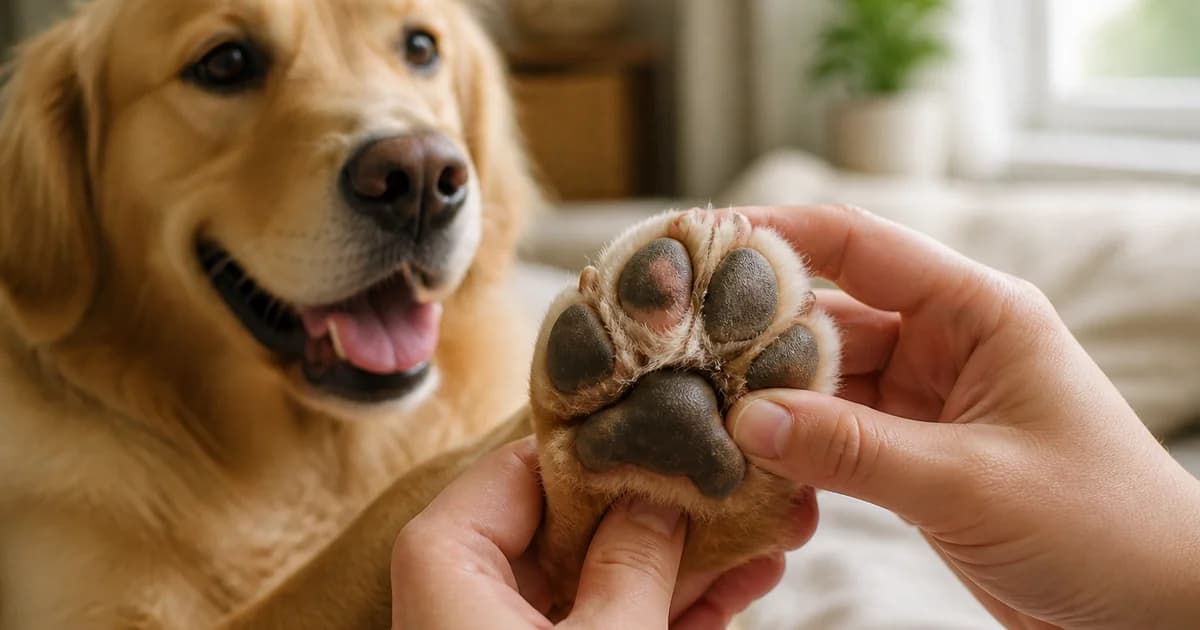
Hyperkeratosis literally means excessive keratin. In dogs, this condition most commonly affects the nose and paw pads, though it can appear elsewhere. The affected areas develop hard, callus-like growths that may look like extra fur, rough skin, or horn-like projections extending from the paw surface.
Keratin serves a protective function under normal circumstances. It creates a barrier against environmental damage, temperature extremes, and rough terrain. When production goes into overdrive, this protective layer becomes too thick. The excess keratin loses flexibility, cracks under pressure, and can trap moisture or debris that leads to infection.
Some dogs develop hyperkeratosis as a normal part of aging. Others experience it as a symptom of underlying disease. Distinguishing between these scenarios determines whether simple home care suffices or whether deeper investigation is needed.
Recognizing the Signs on Your Dog's Paws
Early hyperkeratosis often looks like slightly thickened or rougher paw pads than usual. You might notice your dog's feet feel harder when you touch them, or see a subtle change in texture from smooth to slightly gritty. As the condition progresses, the signs become more obvious.
Moderate hyperkeratosis produces visible thickening that creates a raised, crusty layer over the paw pad. This layer may crack, especially at the edges where the pad flexes during walking. You might see your dog licking their paws more frequently, or notice them hesitating to walk on rough surfaces they previously handled without issue.
Severe cases develop pronounced horn-like growths extending from the paw pads. These projections can split, bleed, or become infected. Dogs with advanced hyperkeratosis often show clear signs of discomfort, including limping, reluctance to walk, or changes in gait as they try to minimize pressure on affected feet.
Why Some Dogs Develop Excess Keratin
Several factors can trigger hyperkeratosis, and identifying the cause guides treatment decisions. The most common triggers include genetic predisposition, autoimmune disease, infectious agents, nutritional deficiencies, and wear patterns from activity.
Certain breeds carry genetic tendencies toward hyperkeratosis. Labrador Retrievers, Golden Retrievers, Irish Terriers, and Dogues de Bordeaux all show higher rates. In these dogs, hyperkeratosis often appears relatively early in life and may require ongoing management rather than representing a symptom of another problem.
Autoimmune conditions like pemphigus foliaceus or discoid lupus erythematosus can cause hyperkeratosis as part of their symptom complex. These diseases involve the immune system attacking skin cells, triggering inflammation and abnormal keratin production. Dogs with autoimmune-related hyperkeratosis usually show other skin changes beyond just the paws, including nasal involvement or ear margins.
Canine distemper virus deserves special mention because it causes a specific form of hyperkeratosis often called hard pad disease. Dogs who have recovered from distemper may develop severely thickened paw pads and noses as a lasting effect of the infection. This is one reason maintaining current vaccination status matters beyond just preventing the acute sickness.
Zinc deficiency, though relatively rare, can produce skin changes including hyperkeratosis. Some breeds, particularly Northern breeds like Huskies and Malamutes, have genetic variations affecting zinc absorption that make them more susceptible. Zinc supplementation often resolves the skin changes in these cases.
Environmental Factors That Worsen the Condition
Even dogs without underlying disease can develop hyperkeratosis from environmental stressors. Walking repeatedly on hot pavement, rough gravel, or icy surfaces accelerates keratin production as the body attempts to protect itself. Dogs who hike frequently, work on farms, or live in extreme climates often show some degree of paw pad thickening.
Chemical exposure represents another environmental trigger. De-icing salts, lawn treatments, floor cleaners, and other chemicals can irritate paw pads and stimulate protective keratin formation. Dogs who lick their paws after walking through treated areas may ingest these irritants, creating a cycle of inflammation.
Dry winter air affects paw pad health significantly. Low humidity pulls moisture from skin tissue, making existing hyperkeratosis more likely to crack and cause problems. Indoor heating compounds this effect, creating conditions where even normal keratin production produces uncomfortable results.
Home Treatment Options for Mild Cases
For dogs with mild to moderate hyperkeratosis without underlying disease, home management often keeps the condition under control. The goal is softening excess keratin, preventing cracks, and protecting the paws from further irritation.
Regular soaking helps tremendously. Fill a basin with warm water and add Epsom salts at a ratio of about one cup per gallon. Soak your dog's paws for ten to fifteen minutes, then dry them thoroughly. The warm water softens keratin while the salts help reduce minor inflammation. Dry carefully afterward, as trapped moisture can create its own problems.
Paw balms formulated for dogs provide ongoing protection after soaking. Look for products containing shea butter, coconut oil, beeswax, or other emollient ingredients. Apply a thin layer after drying the paws, and consider using dog booties to prevent your dog from licking the balm off immediately. Many dogs will try to clean their paws after application, so distraction with treats or a brief walk can help the product absorb.
For areas of thick buildup, gentle filing can reduce bulk and prevent cracking. Use a human nail file or emery board, working carefully to avoid cutting into healthy tissue underneath. Never use scissors or clippers on hyperkeratotic growths, as it is easy to cut too deeply and cause bleeding or infection. File only the loose, flaky outer layers, stopping if you reach tissue that looks pink or seems sensitive.
When Veterinary Care Becomes Necessary
Some situations require professional intervention rather than home management. Schedule a veterinary appointment if your dog shows signs of pain, bleeding, infection, or if the hyperkeratosis worsens despite your care efforts.
Signs of infection include redness, swelling, discharge, or a foul odor from the affected paws. Dogs with infected hyperkeratosis often lick constantly, limp, or resist having their feet touched. These cases need veterinary cleaning, possible antibiotic treatment, and professional trimming of affected tissue under safe conditions.
Sudden onset of hyperkeratosis, particularly in a young dog or one with no previous skin issues, warrants investigation for underlying disease. Your veterinarian may recommend blood tests to check for autoimmune markers, zinc levels, or other abnormalities. Skin biopsies can distinguish between different types of keratin disorders when the diagnosis is unclear.
For severe cases where home filing is insufficient, veterinarians can trim excessive keratin using specialized equipment and sedation if necessary. This is not a DIY procedure. The sensitive tissue beneath the keratin layer requires professional knowledge to avoid injury.
Prescription Treatments for Underlying Causes
When hyperkeratosis stems from autoimmune disease, treatment focuses on controlling the immune response rather than just managing the skin symptoms. Corticosteroids, cyclosporine, or other immunosuppressive medications may be prescribed depending on the specific diagnosis and severity.
These treatments require careful monitoring because suppressing the immune system carries risks. Your veterinarian will likely recommend periodic blood tests to check for medication side effects, and you will need to watch for signs of infection that might progress more easily while immune function is reduced.
For zinc-responsive dermatosis, supplementation with zinc sulfate or zinc methionine often produces dramatic improvement. The response can be diagnostic. If skin changes improve significantly within weeks of starting supplementation, zinc deficiency was likely the culprit. Some dogs require lifelong supplementation, while others can eventually reduce their dose under veterinary guidance.
Prevention Strategies for At-Risk Dogs
If your dog has developed hyperkeratosis once, they are likely prone to recurrence. Preventive measures reduce the frequency and severity of future episodes.
Regular paw inspection should become routine. Check your dog's feet weekly for early signs of thickening, cracking, or color changes. Catching problems early allows for simpler intervention before the condition advances.
Protective booties help dogs who walk on rough or chemically treated surfaces. Modern dog boots come in various styles, from lightweight disposable options to durable hiking boots. Finding the right fit takes some experimentation, but the protection they provide often justifies the effort.
Paw wax applied before outdoor activities creates a barrier against irritants. These products are designed to be safe if licked, though they work best when given time to absorb. Apply wax before walks, allowing a few minutes for it to set before heading outside.
Humidifiers help indoor air quality during dry seasons. Maintaining household humidity between thirty and fifty percent benefits both human and canine skin health. This is especially valuable for dogs already prone to hyperkeratosis or other dry skin conditions.
The Connection Between Paw Health and Overall Wellness
Your dog's paws offer insight into their general health status. Changes in paw pad texture, color, or thickness sometimes signal systemic issues before other symptoms appear. Paying attention to paw health means catching problems early when they are easiest to treat.
Dogs cannot tell us when their feet hurt. They rely on us to notice changes in behavior, gait, or appearance that suggest discomfort. Regular paw checks, combined with awareness of what healthy paws look like for your specific dog, create the foundation for good preventive care.
FAQ
Is hyperkeratosis painful for dogs?
Mild hyperkeratosis usually causes no discomfort. As the condition progresses and cracks develop, walking can become painful. Severe cases with deep fissures or infection definitely hurt and require treatment.
Can hyperkeratosis be cured completely?
Dogs with genetic predisposition or autoimmune causes may require lifelong management. Cases caused by environmental factors, zinc deficiency, or infectious disease can sometimes resolve completely with appropriate treatment.
Should I cut the hard growths off my dog's paws?
Never cut hyperkeratotic growths with scissors or clippers. The risk of cutting into sensitive tissue underneath is too high. Gentle filing at home is safe for mild cases, but professional trimming is safer for significant buildup.
How often should I soak my dog's paws?
For dogs with active hyperkeratosis, soaking two to three times weekly helps soften keratin and prevent cracks. Once the condition improves, weekly maintenance soaks often suffice.
Are certain dog breeds more prone to hyperkeratosis?
Yes. Labrador Retrievers, Golden Retrievers, Irish Terriers, and Dogues de Bordeaux show higher rates. Northern breeds like Huskies and Malamutes are prone to zinc-responsive forms.
Can diet affect paw pad health?
Absolutely. Zinc deficiency directly causes skin problems including hyperkeratosis. Essential fatty acids from fish oil or quality dog food support skin barrier function. Poor nutrition often shows up in coat and skin quality first.
When should I see a vet about my dog's paw pads?
Schedule a visit if you notice bleeding, signs of infection, sudden onset of symptoms, lameness, or if home care fails to improve the condition within a few weeks.
Conclusion
Hyperkeratosis is a manageable condition when caught early and addressed appropriately. Understanding whether your dog's case stems from genetics, environment, or underlying disease guides the treatment approach and helps set realistic expectations.
Regular paw care should be part of every dog owner's routine, not just something you address when problems appear. The time you spend inspecting and maintaining your dog's feet pays off in comfort, mobility, and early detection of issues that might otherwise progress unnoticed.
For ongoing support with your dog's health and communication, consider using an app like Dog Translator to better understand your pet's needs and behaviors. Combined with proper veterinary care and attentive home management, you can keep your dog's paws healthy and ready for whatever adventures come next.
Try it with your dog
Record a bark, scan a dog photo, or play a sound and see what happens next.