2026-08-04 · 6
Dog Nose Work: The Mental Workout Your Dog Actually Needs
Your dog finishes a long walk and still has energy to burn. You have thrown the ball until your arm aches. Yet they pace, whine, and find trouble. The problem might not be too little physical exercise. It might be too little mental exercise. Nose work, also called scent work, addresses this gap by engaging the sense dogs rely on most. Their nose.
Why Scent Work Matters
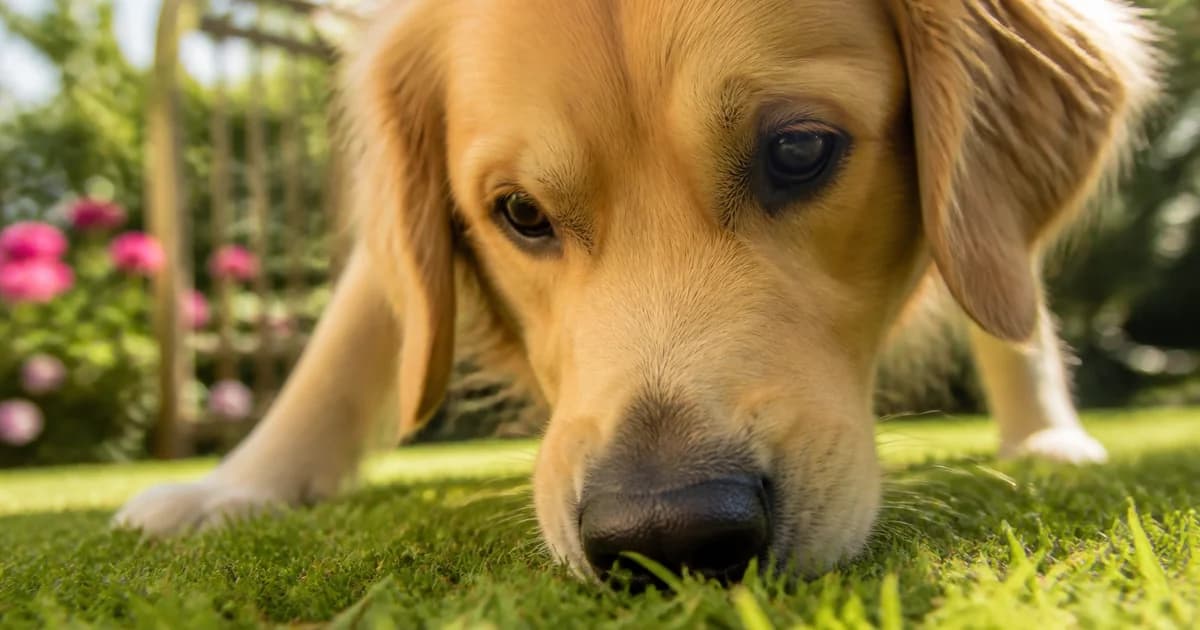
Dogs experience the world primarily through scent. Their olfactory system contains up to 300 million scent receptors, compared to about 6 million in humans. The portion of a dog's brain devoted to analyzing smells is proportionally forty times larger than ours. When we look at a landscape, we see shapes and colors. When dogs encounter the same landscape, they read a complex chemical story written in scent molecules.
Traditional dog training often focuses on obedience commands and physical exercise. These matter, but they do not fully engage a dog's cognitive capacity. Scent work does. It requires dogs to problem-solve, focus, and persist through challenges. The mental effort involved can tire a dog more effectively than long physical activity.
Research backs this up. Studies of scent-based activities show reductions in stress behaviors, improvements in focus, and decreased reactivity in anxious dogs. The act of sniffing itself appears to have calming effects, possibly because it activates parasympathetic nervous system responses.
What Is Nose Work
Nose work is a structured activity where dogs learn to search for specific target odors and indicate their location. It started as training for detection dogs but has evolved into a recreational sport accessible to any dog regardless of breed, age, or physical ability.
The basic structure is simple. You hide something scented. Your dog searches for it. When they find it, they get a reward. The complexity increases gradually as your dog develops skills. Searches move from simple containers to entire rooms, then to outdoor environments with wind and weather factors.
What makes nose work special is that it builds on instinct rather than fighting against it. Dogs naturally want to sniff. Nose work channels this impulse into a productive activity with clear rules and rewards.
Getting Started at Home
You do not need special equipment to begin nose work. A few treats and some household items are enough to start. The goal of initial training is teaching your dog that searching for scent leads to good things.
Begin with food rather than target odors. Hide treats in easy locations while your dog watches. Let them eat the treat immediately when they find it. Gradually increase difficulty by hiding treats out of sight, then in different rooms.
Once your dog understands the search game, introduce a specific scent. Birch oil is the traditional starter scent in organized nose work programs. Place a drop on a cotton swab, seal it in a small container with holes, and use this as your target. Hide it with food at first so your dog connects the scent with reward.
Over multiple sessions, fade the food reward so your dog is searching for the scent itself. Eventually, they will find the scented object and indicate its location without food present, getting reward only after the correct indication.
Reading Your Dog's Signals
Successful nose work requires learning to read your dog's behavior during searches. Dogs communicate scent location through subtle body language changes. These signals vary by individual but often include:
Tail wagging increases when approaching scent sources. Breathing changes, often becoming more rapid and shallow. Head snaps or sudden direction changes when catching scent on air currents. Braking movements, slowing down as they enter scent cones. Specific indication behaviors like sitting, lying down, or pawing at the source location.
Learning your dog's specific signals takes time and observation. Video recordings of training sessions help. Watch for patterns in what your dog does immediately before finding targets. Those behaviors become your communication system.
The Equipment You Actually Need
Basic nose work requires minimal investment. Essential items include:
Target odor in a sealed container. Small metal tins with magnets work well and allow placement on vertical surfaces. High-value treats for rewards. Something your dog finds genuinely exciting, not just routine kibble. Containers for hiding targets. Cardboard boxes are traditional for beginners, but any safe container works.
As you advance, you might add specialized equipment. Scent work kits with multiple target odors, travel containers for training in new locations, and competition-specific tools if you pursue formal titles. But none of this is necessary to start.
Troubleshooting Common Problems
Dogs new to nose work sometimes struggle with specific challenges. Here is how to handle the most common ones.
If your dog loses interest quickly, the hides may be too difficult or rewards insufficient. Make searches easier and use better treats. Build value for the activity before asking for persistence.
If your dog frantically searches without method, they need help learning to work scent cones. Use multiple hides close together so they learn to slow down and process information instead of rushing randomly.
If your dog indicates locations without scent present, you have probably moved too fast in training. Return to easier hides with clear scent association. Make sure you are not accidentally cueing locations through body language.
If your dog becomes frustrated or stressed, stop. Nose work should be fun. End sessions before frustration builds, while your dog still wants more.
Beyond Basic Searches
Once your dog masters finding target odors in simple environments, you can expand the challenge. Different search elements test different skills.
Container searches involve multiple boxes or containers, only one containing target scent. Dogs must distinguish between scented and unscented options. This builds confidence in their own nose and reduces reliance on visual cues.
Interior searches move through entire rooms with multiple hides. Dogs learn to clear areas systematically and recognize when an area contains no target scent. This requires sustained focus and the ability to make decisions.
Exterior searches add environmental complexity. Wind, temperature, and ground surface all affect how scent moves. Dogs must adjust their search strategies based on conditions. This develops adaptability and problem-solving skills.
Vehicle searches present unique challenges. Scent moves differently around metal and glass surfaces. Dogs learn to check multiple potential hide locations on complex objects.
The Benefits Beyond the Game
Nose work training creates benefits that extend into daily life. Dogs who regularly engage in scent work often show:
Reduced anxiety and reactivity. The mental engagement and confidence building help nervous dogs feel more secure. Improved focus and impulse control. The requirement to persist through searches builds patience and concentration. Better leash manners. Dogs who get sufficient mental exercise are often calmer on walks. Stronger human-animal bond. Working together on scent problems builds communication and trust.
For dogs with physical limitations, nose work provides exercise that does not strain joints or require high mobility. Senior dogs, dogs recovering from injury, and dogs with disabilities can all participate fully.
When to Seek Professional Help
While basic nose work is accessible for home training, professional instruction speeds up progress and prevents common mistakes. Consider working with a certified nose work instructor if:
You plan to compete in scent work trials. Competition requires understanding specific rules and training for particular search elements. Your dog has significant behavioral challenges. Reactive or fearful dogs may need specialized approaches to ensure positive experiences. You are struggling with specific training problems. Professional eyes can spot technique issues that are hard to recognize yourself.
The National Association of Canine Scent Work and the American Kennel Club both offer instructor certification programs. Look for trainers with these credentials.
Making It a Lifestyle
Nose work works best as a regular activity rather than occasional entertainment. Integrate short searches into daily routines. Hide your dog's breakfast in the yard instead of serving it in a bowl. Practice container searches while waiting for coffee to brew. Use scent games as rainy day activities when walks are limited.
The key is consistency. Dogs improve through repetition. Brief daily sessions beat occasional long ones. Five minutes of focused searching builds skills more effectively than an hour of unfocused wandering.
Frequently Asked Questions
Can any dog do nose work?
Yes. Nose work is accessible to dogs of any breed, age, size, or physical ability. Even dogs with vision or hearing impairments can excel at scent work.
How long should training sessions be?
Start with five to ten minutes. End while your dog is still engaged and wanting more. It is better to leave them eager for the next session than to push until they tire mentally.
What scents are used in nose work?
Organized programs typically use birch, anise, and clove essential oils. For home play, you can use any safe scent your dog can distinguish, including food or favorite toys.
Is nose work the same as tracking?
No. Tracking involves following ground disturbance and scent left by moving individuals. Nose work involves finding stationary target odors in defined search areas. The skills differ, though both use scent.
Can nose work help with behavior problems?
Often yes. The mental stimulation and confidence building help many dogs with anxiety, reactivity, and destructive behaviors. However, severe behavior issues may require professional behavior modification alongside enrichment activities.
How do I know if my dog is indicating correctly?
A correct indication involves your dog communicating that they have found target scent and are willing to stay at that location until rewarded. Common indications include sitting, lying down, or sustained staring at the source. The specific behavior matters less than consistency.
Related Articles
- Dog Sniffing Behavior Communication Guide
- Dog Enrichment Activities Mental Stimulation Guide
- Dog Calming Signals Stress Communication Guide
- Dog Body Language Complete Guide
- Herding Dog Instincts Border Collie Corgi Behavior Guide
- Dog Training Vocal Dogs
- Dog Barking Communication Guide
Nose work unlocks your dog's natural abilities while providing the mental stimulation modern pet life often lacks. You do not need special equipment or professional training to start. Just a few treats, some hiding spots, and willingness to engage your dog's most powerful sense. Download the Dog Translator app to better understand your dog's communication during training and build an even stronger bond through scent work activities.
Try it with your dog
Record a bark, scan a dog photo, or play a sound and see what happens next.