2026-07-21 · 7
Herding Dog Instincts: Understanding Your Border Collie, Corgi, or Australian Shepherd
Your herding dog is not being difficult. They are being a herding dog. The behaviors that frustrate you, the ones that seem stubborn or obsessive or weirdly specific, are not personality flaws. They are the expression of instincts that have been refined over centuries for one purpose: controlling the movement of other animals.
When you bring a Border Collie, Corgi, Australian Shepherd, or any other herding breed into your home, you are not just getting a pet. You are getting a specialized working animal in a world that rarely offers them real work. Understanding those instincts is the difference between a frustrated dog and a fulfilled one, between problem behaviors and channelled energy.
This guide breaks down what herding instincts actually look like in modern homes, why they cause the problems they do, and how to give your dog appropriate outlets for drives that are not going away.
What Herding Instincts Actually Are
Herding is not just chasing. It is controlled movement of livestock through eye contact, body position, and strategic pressure. A good herding dog can move sheep across a field without ever making contact, using only their presence and positioning to guide the flock.
The instincts that make this possible include:
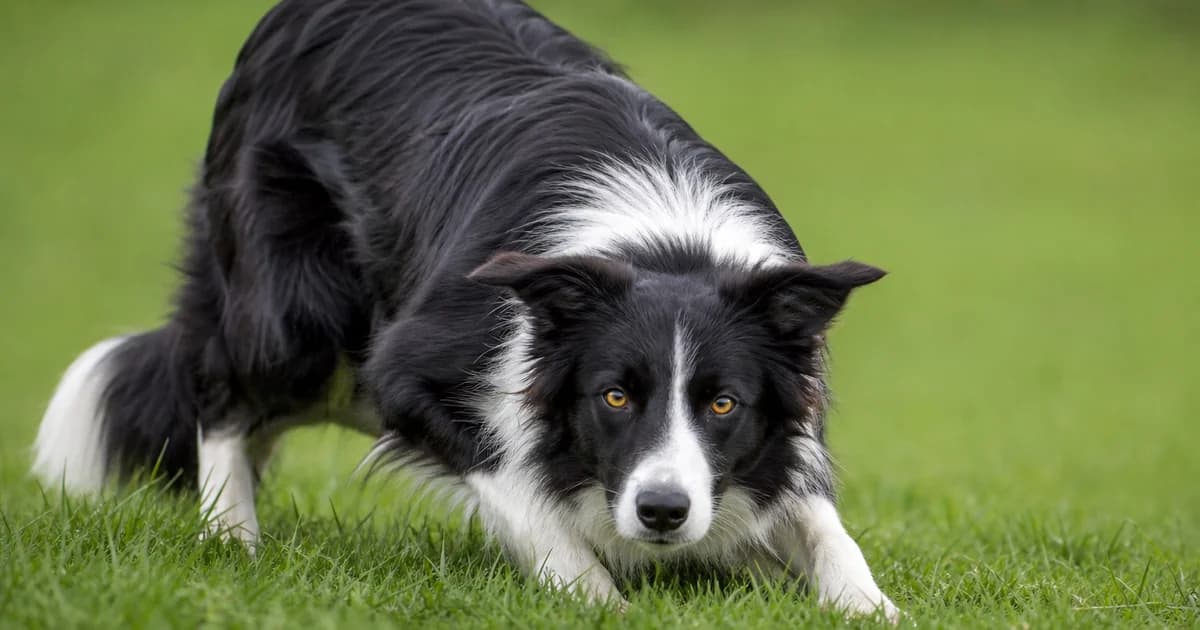
Eye: The intense, fixed stare that herding dogs use to control livestock. This is not aggression. It is communication. The dog is saying "I am here, and you will move."
Stalk: The low, creeping approach that puts pressure on animals without triggering flight. The crouched posture, the slow movement, the intense focus.
Gather: The drive to bring scattered animals together, to collect the strays and return them to the group.
Drive: The push from behind that keeps animals moving in the desired direction.
Balance: The instinct to position themselves opposite the handler, creating a partnership where the dog and human work together to move stock.
These instincts are hardwired. You cannot train them out. You can only channel them into appropriate outlets or watch them express in ways that cause problems.
How Herding Instincts Show Up in Your Home
Without livestock to work, herding dogs turn their instincts on whatever moves. Children. Other pets. Cars. Bicycles. Joggers. The vacuum cleaner. Understanding these behaviors as herding rather than aggression or disobedience changes how you address them.
Chasing and nipping at heels: This is the classic herding behavior applied to inappropriate targets. Your Corgi is not being aggressive when they nip your ankles. They are trying to move you, just as their ancestors moved cattle.
The stare: That intense, unblinking focus on a child or another dog is the "eye" instinct. It can be unsettling to the target and is often misinterpreted as predatory behavior. It is not hunting. It is herding pressure.
Circling and gathering: Your dog runs circles around groups of people or animals, trying to keep them together. At the dog park, this can look like obsessive behavior. It is actually the gather instinct with no appropriate outlet.
Blocking and redirecting: Standing in doorways, cutting off paths, trying to control where people go. This is balance and drive instincts applied to household traffic.
Obsessive chasing of lights or shadows: The movement triggers the chase instinct, and without real work to satisfy it, the dog becomes fixated on any moving target.
These behaviors are not random. They are the predictable expression of instincts that have no appropriate target in a modern home.
Why Herding Dogs Develop Problem Behaviors
The same instincts that make herding dogs exceptional at their jobs make them challenging as pets when those instincts are not understood or channeled.
Boredom and frustration: A herding dog with no work becomes frustrated. Their mental and physical energy has nowhere to go. This leads to destructive behaviors, excessive barking, and obsessive patterns.
Inappropriate herding: When children, other pets, or guests become the targets of herding behavior, it creates conflict. The dog is doing what comes naturally, but the targets experience it as harassment or aggression.
Reactivity and anxiety: Herding dogs are bred to be sensitive to movement and changes in their environment. This sensitivity can become reactivity when they lack the confidence that comes from knowing their job.
Control issues: Herding dogs want to control their environment. When they cannot, they become anxious. This manifests as compulsive behaviors, excessive vigilance, and difficulty relaxing.
The solution is not suppression. It is giving the dog appropriate outlets for their instincts so they do not need to express them in problematic ways.
Channeling Herding Instincts: The Solutions
You do not need a farm to have a happy herding dog. You need to understand what their instincts require and find modern equivalents.
Herding trials and classes: If you have access to herding training facilities, this is the ideal outlet. Even a few sessions can satisfy instincts in ways that nothing else can. Many herding dogs never see livestock again after their initial training, but the experience gives them a reference for what their instincts mean.
Treibball: This sport involves herding large exercise balls into a goal. It uses the same skills, eye, balance, and drive, without requiring livestock. It is accessible to urban dog owners and provides genuine mental and physical stimulation.
Flirt pole and controlled chase games: These allow the dog to express chase and stalk instincts in structured ways. The key is that you control the game, teaching the dog to start and stop on cue.
Agility and obedience: While not herding-specific, these activities give herding dogs the mental challenge and partnership with their handler that their instincts crave. The precision and communication required satisfy their need for meaningful work.
Nosework and scent games: Herding dogs are not just about movement. They are about problem-solving. Scent work engages their brains in ways that tire them out more effectively than physical exercise alone.
Teaching an off-switch: Herding dogs need to learn that there are times to work and times to relax. This is not natural for them, but it is essential for household harmony. Crate training, place commands, and structured relaxation exercises help them learn to turn off their working mode.
Breed-Specific Considerations
Not all herding dogs express their instincts the same way. Understanding your specific breed helps you anticipate and address their particular challenges.
Border Collies: The most intense herding instincts of any breed. They have strong eye, high drive, and need significant mental stimulation. Without work, they often develop obsessive behaviors and anxiety. They require the most structured outlets and clearest boundaries.
Corgis: Bred to herd cattle by nipping heels and ducking kicks. Their herding style involves more contact and confrontation than eye breeds. This translates to more nipping and barking in inappropriate contexts. They are also more independent and may try to make their own decisions about what needs herding.
Australian Shepherds: Versatile farm dogs with herding instincts balanced by guardian instincts. They tend to be more protective and may try to guard their family from perceived threats while also herding them. Their herding style is more upright and less focused on eye than Border Collies.
Shetland Sheepdogs: Smaller herders with less intense drives but still significant instincts. They are more likely to express herding through barking and following than through intense eye or physical pressure.
German Shepherds: While primarily known as protection dogs, they have herding origins. Their herding instincts often mix with protection drives, creating dogs who want to control and guard their family.
Training Strategies for Herding Dogs
Herding dogs respond best to training that engages their intelligence and respects their instincts.
Positive reinforcement works, but structure matters more. Herding dogs need clear rules and consistent enforcement. They will test boundaries to see what they can control. Calm, confident leadership is essential.
Channel, do not suppress. When your dog tries to herd inappropriately, redirect to an appropriate activity. The instinct needs expression. Your job is to provide the right context.
Teach alternative behaviors. If your dog herds children, teach them to go to their mat when kids are playing. If they chase cars, teach a solid recall and redirect to a flirt pole. Give them something to do instead of just forbidding the unwanted behavior.
Use their intelligence. Herding dogs get bored with repetitive training. Keep sessions interesting, vary the challenges, and let them problem-solve.
Provide real exercise. A tired herding dog is a good herding dog, but physical exercise alone is not enough. Mental stimulation is equally important. Combine both for best results.
When Herding Instincts Become Dangerous
Most herding behavior is annoying or inconvenient rather than dangerous. But there are situations where these instincts create real risks.
Chasing cars or bicycles: This is the most dangerous expression of herding instinct. The dog is trying to control moving objects, but the consequences of being wrong are severe. Management and training are essential. Never let a herding dog practice this behavior.
Herding children aggressively: While most herding of kids is annoying rather than harmful, some dogs apply too much pressure. Nipping can break skin. The intense stare can frighten children. If your dog cannot be around kids without herding them, management is necessary until training improves the behavior.
Fighting with other dogs: Herding behavior can trigger defensive reactions from other dogs. The stare reads as challenge. The chasing reads as threat. Herding dogs sometimes get into conflicts at dog parks because their natural communication style is misunderstood by other dogs.
Obsessive behaviors: When herding instincts have no outlet, some dogs develop compulsive patterns. Chasing shadows, spinning, fixating on lights. These behaviors can take over the dog's life and are difficult to interrupt once established.
If your dog shows any of these dangerous expressions of herding instinct, consult a professional trainer who understands working dog behavior. General pet trainers may not have the specific knowledge to address these issues effectively.
Living Successfully with a Herding Dog
Herding dogs are not for everyone. They require more time, energy, and understanding than many other breeds. But for owners who meet their needs, they are unmatched partners.
Be honest about your lifestyle. If you work long hours, live in a small apartment, and want a dog who will entertain themselves, a herding breed is not the right choice. Their needs are real and non-negotiable.
Commit to their exercise and mental stimulation. This is not optional for herding dogs. A quick walk around the block is not enough. Plan for significant daily investment in their physical and mental well-being.
Learn to read their communication. Herding dogs are subtle communicators. The eye, the posture, the ear position all carry meaning. Understanding what your dog is telling you prevents problems before they start.
Find community. Herding dog owners face similar challenges. Connect with others who understand the breed. Herding trials, agility clubs, and training classes are great places to meet people who get it.
Appreciate who they are. Your herding dog is not a broken Labrador. They are a specialized working animal doing their best in a world that does not understand them. Appreciate their intelligence, their drive, and their partnership. The effort you put in returns multiplied.
FAQ
Why does my Border Collie stare at me constantly?
This is the "eye" instinct, a herding tool used to control livestock. Your dog is not being creepy. They are trying to communicate and influence your behavior. Teach them when eye contact is appropriate and redirect to activities where this instinct is welcome.
How do I stop my Corgi from nipping at ankles?
You cannot eliminate the instinct, but you can redirect it. Teach a solid "leave it" command and reward compliance heavily. Provide alternative outlets like flirt pole games where chasing and biting are appropriate. Manage the behavior by keeping your Corgi on leash or behind gates when people are moving around.
Are herding dogs good with children?
Herding dogs can be good with children, but they require supervision and training. The herding instinct often targets children because they move unpredictably and make interesting noises. Teach your dog that children are not livestock to be controlled. Some herding dogs do better with older children who understand how to interact appropriately.
Why does my Australian Shepherd try to block me from leaving rooms?
This is the balance instinct. Your dog is positioning themselves to control your movement. They are not being dominant. They are being a herding dog. Teach a solid "place" command and reward them for staying there while you move around. Give them a job to do instead of trying to manage your movement.
How much exercise does a herding dog need?
Physical exercise needs vary by breed and individual, but most herding dogs need at least one to two hours of active exercise daily. More importantly, they need mental stimulation. A herding dog who is physically tired but mentally bored will still find trouble.
Can herding instincts be trained out?
No. Herding instincts are genetic and hardwired. You cannot train them out any more than you can train a retriever not to care about balls. What you can do is channel those instincts into appropriate activities and teach your dog when and where expression is acceptable.
What is the best sport for herding dogs?
Actual herding is ideal if you have access to livestock. Treibball is excellent for urban dogs. Agility, obedience, and nosework all provide appropriate mental and physical challenges. The best sport is one you will actually do consistently with your dog.
Why is my herding dog so anxious?
Herding dogs are bred to be sensitive to their environment and responsive to changes. Without work to focus that sensitivity, it can become anxiety. Providing appropriate outlets for their instincts, teaching confidence through training, and managing their environment to reduce stress all help.
Do herding dogs make good apartment dogs?
Some herding dogs can adapt to apartment living if their exercise and mental stimulation needs are met. However, it is challenging. The confined space and limited outdoor access make satisfying their needs more difficult. Consider whether your lifestyle can realistically meet a herding dog's requirements before committing.
How can the Dog Translator app help with my herding dog?
The app helps you understand what your herding dog's vocalizations and behaviors mean. Herding dogs communicate subtly, and the AI analysis can help you interpret their signals more accurately. Understanding your dog better leads to better training outcomes and a stronger relationship.
Key Takeaways
Herding dogs are not difficult. They are different. Their instincts, developed over centuries for specific work, do not disappear because they live in a suburban home. Understanding those instincts is the foundation of a successful relationship.
The behaviors that frustrate you are not random. They are the predictable expression of drives that need appropriate outlets. Channel those instincts into activities that satisfy them, and you will have a fulfilled, well-behaved partner. Suppress or ignore them, and you will have a frustrated dog who finds their own, usually problematic, solutions.
Your herding dog is a specialist in a generalist world. Appreciate their unique abilities, meet their specific needs, and you will experience the deep partnership that makes these breeds beloved by those who understand them.
Want to better understand what your herding dog is trying to tell you? Download Dog Translator for AI-powered bark analysis and behavior insights.
Try it with your dog
Record a bark, scan a dog photo, or play a sound and see what happens next.