2026-08-03 · 7
What Your Dog's Face Is Actually Telling You: A Complete Guide to Canine Facial Expressions
Your dog is talking to you all the time. Not with words, but with ears, eyes, eyebrows, and mouth movements that most owners miss entirely. After years of working with dogs and studying their communication patterns, I have learned that the face reveals more than the tail ever could. This guide breaks down exactly what to look for and what it means.
Why Facial Expressions Matter More Than You Think
Most dog owners focus on tails and posture when reading their pet's mood. Those matter, but faces tell the deeper story. A wagging tail paired with a tense mouth tells a different tale than a wagging tail with soft, relaxed features. The face reveals intent, emotional state, and comfort level in ways that body posture alone cannot.
Dogs evolved alongside humans for thousands of years. During that time, they developed facial muscles specifically for communicating with us. Research shows that dogs use facial expressions more when humans are watching, suggesting they have learned that we respond to these signals. Your dog is literally trying to talk to you with their face.
The Eyebrow Raise: The "Puppy Dog Eyes" Explained
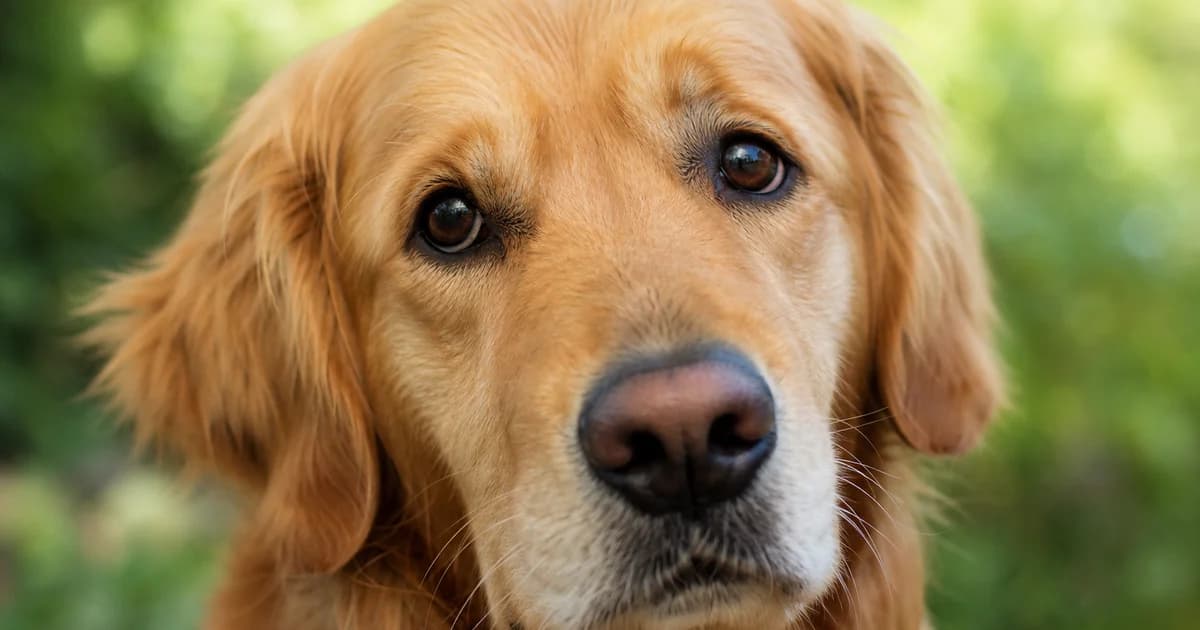
That soulful look dogs give, with raised inner eyebrows and big eyes, is not just cute. It is communication. When a dog raises their inner eyebrows, exposing more of the eye white, they are usually signaling a need or desire. They want something: food, attention, outdoor access, or comfort.
The eyebrow raise also appears during uncertain situations. A dog meeting a new person might raise their eyebrows while assessing whether this stranger is safe. It is a sign of attention and engagement, not necessarily sadness despite how it looks.
Some dogs raise eyebrows more than others based on breed and individual anatomy. Bulldogs and pugs have less mobile brows due to their facial structure. Border collies and German shepherds often show very expressive eyebrow movement. Learn your individual dog's baseline to spot changes.
Eye Contact: When Staring Means Different Things
Soft, relaxed eye contact with occasional blinking indicates trust and comfort. This is the look of a dog who feels safe with you. They meet your gaze without tension, sometimes adding a slow blink that functions like a doggy kiss.
Hard, direct staring without blinking is different. This is confrontational body language, often seen when dogs feel threatened or are guarding resources. The eyes appear fixed, the body still, and the stare unbroken. This dog is issuing a warning.
Averted gaze, where your dog looks away while keeping their head still, is appeasement. They are avoiding conflict by signaling they are not a threat. This is polite dog behavior, not guilt or shame as people often assume.
Whale eye, when you see the whites of your dog's eyes in a half-moon shape, indicates anxiety or stress. The dog turns their head slightly away but keeps their eyes on the perceived threat. This is a dog who wants space.
Mouth Positions: From Calm to Warning
A relaxed, slightly open mouth with a lolling tongue is the classic happy dog expression. The jaw is loose, the breathing easy, and the overall impression is contentment. This is what you want to see during play and relaxation.
A closed mouth with lips pressed together suggests tension. The dog is focused, possibly concerned, and definitely not relaxed. Context matters here. A closed mouth during training might indicate concentration. A closed mouth during a vet visit likely means stress.
Lip licking when no food is present is a stress signal. Dogs lick their lips to calm themselves and signal peaceful intentions to others. Frequent lip licking in situations like greeting strangers or hearing loud noises indicates discomfort.
Yawning when not tired is another calming signal. Like lip licking, it is a self-soothing behavior that also communicates to others that the dog is not a threat. Multiple yawns in a short period suggest significant stress.
A submissive grin, where the dog pulls their lips back horizontally showing front teeth, looks scary but is actually friendly. This expression is often accompanied by a lowered body posture and wagging tail. It is an exaggerated appeasement gesture.
A snarl, with lips pulled back vertically to expose canines, is a clear warning. The dog is saying back off. This expression is usually accompanied by growling, stiff body language, and direct eye contact. Respect this signal immediately.
Ear Positions and What They Reveal
Ears forward and alert indicate interest and attention. The dog has heard or seen something worth investigating. This is a curious, engaged dog processing new information.
Ears pinned back flat against the head signal fear, anxiety, or submission. The dog is trying to make themselves smaller and less threatening. This often accompanies a lowered head and tucked tail.
Ears relaxed in a neutral position, neither forward nor back, indicate a calm, comfortable dog. This is your baseline for comparison. Know what your dog's neutral ears look like when they are relaxed at home.
One ear forward and one back suggests uncertainty. The dog is processing conflicting information and has not decided how to feel yet. This is common during new experiences or when encountering unfamiliar people.
The Complete Facial Picture: Putting It Together
Reading individual features helps, but the real skill is assessing the whole face. Here is how combinations work:
Happy and Relaxed: Soft eyes with occasional blinking, relaxed open mouth, neutral or slightly raised eyebrows, ears in natural position. This dog feels safe and content.
Anxious and Uncertain: Whale eye showing whites, frequent lip licking, ears back, eyebrows raised. This dog needs space and reassurance, not forced interaction.
Alert and Interested: Ears forward, eyes focused, mouth closed, eyebrows slightly raised. This dog is processing something and deciding how to respond.
Fearful: Ears pinned back, averted gaze, possible lip licking, tense mouth, raised eyebrows. This dog is scared and may flee or freeze depending on their temperament.
Aggressive Warning: Hard stare, vertical lip retraction showing teeth, ears forward or pinned depending on confidence, tense facial muscles. This dog is issuing a serious warning that should be respected.
Common Misunderstandings Owners Make
Assuming a wagging tail means a friendly dog is the classic mistake. Tail movement indicates arousal, not necessarily happiness. A stiff, high wag can signal aggression. A low, slow wag might mean insecurity. Always check the face for confirmation.
Interpreting whale eye as guilt is another frequent error. When dogs show the whites of their eyes after doing something wrong, owners assume they look guilty. In reality, they are responding to your angry tone and body language with stress signals. They know you are upset but do not connect it to their earlier behavior.
Thinking a submissive grin is aggression causes problems too. Some dogs naturally show their front teeth when happy to see you. Combined with a wagging tail and lowered body, this is friendliness, not threat. Learn to distinguish the horizontal smile from the vertical snarl.
How to Respond to Different Facial Signals
When you see happy, relaxed expressions, continue what you are doing. This is your green light for interaction, training, and play. Reinforce this state with praise and rewards.
For anxious or fearful expressions, create distance from the trigger. Do not force interaction or try to comfort with physical restraint, which can increase stress. Let the dog approach on their own terms when ready.
Alert expressions warrant observation. Let your dog process whatever caught their attention. If it is something harmless, you can redirect with treats or toys. If it is a real threat, trust their judgment and move away.
Warning expressions require immediate respect. Stop what you are doing, avoid direct eye contact, and give the dog space. Never punish a dog for warning you. They are communicating rather than biting, which is exactly what we want.
Teaching Children to Read Dog Faces
Kids often miss warning signs because they do not know what to look for. Teach them these basics:
- A dog showing teeth is saying no, not smiling
- A dog looking away does not want to play right now
- A dog with big, wide eyes needs space
- Only pet dogs with soft, relaxed faces
Supervision remains essential, but education helps prevent incidents. Children who understand dog communication make better choices around unfamiliar animals.
When Facial Expressions Indicate Health Issues
Sudden changes in facial expression can signal medical problems. A dog who suddenly stops raising their eyebrows might have eye pain or neurological issues. Excessive squinting warrants a vet visit. Facial asymmetry, where one side moves differently than the other, requires immediate attention.
Dental pain often shows in facial tension and reluctance to open the mouth fully. Older dogs with cognitive decline may show less facial expressiveness overall. Know your dog's normal to spot these changes early.
FAQ
Do all dogs show facial expressions the same way?
No. Breed anatomy affects expressiveness. Dogs with shorter muzzles and looser skin show fewer subtle signals. Individual personality matters too. Some dogs are naturally more expressive than others.
Can dogs fake facial expressions to manipulate humans?
Research suggests dogs do modify their expressions based on human attention, but calling it manipulation implies intent we cannot prove. They have learned what works to get responses from us, which is adaptive communication, not deception.
Why does my dog stare at me while pooping?
This is actually about vulnerability, not weirdness. Elimination puts dogs in a defenseless position. They look at you for protection and reassurance. It is a sign of trust.
My dog shows teeth when I come home. Is this aggression?
Probably not. If the lips pull back horizontally, showing front teeth with a relaxed body and wagging tail, this is a submissive grin. It means your dog is happy to see you. Vertical lip retraction showing canines is the warning sign.
How long does it take to learn dog facial expressions?
Basic recognition comes quickly with attention. Nuanced understanding develops over months of observation. The key is consistent practice and learning your individual dog's specific signals.
Related Articles
- Dog Body Language Complete Guide
- Dog Calming Signals Stress Communication
- Dog Tail Wagging Communication Guide
- Dog Eye Contact Communication Guide
- Dog Ear Positions Body Language
- Understanding Dog Growling
- Dog Stress Signals Calming Signals
Final Thoughts
Learning to read your dog's facial expressions transforms your relationship. You stop guessing and start understanding. You catch stress before it escalates. You recognize true happiness instead of assuming it. Most importantly, you show your dog that you are listening to what they have been trying to tell you all along.
The Dog Translator app can help you practice reading these signals and understand what your dog is communicating. Start paying attention to faces today, and you will be amazed at what you have been missing.
Try it with your dog
Record a bark, scan a dog photo, or play a sound and see what happens next.