2026-07-30 · 6
Why Does My Dog Stare at Me? Decoding Canine Eye Contact
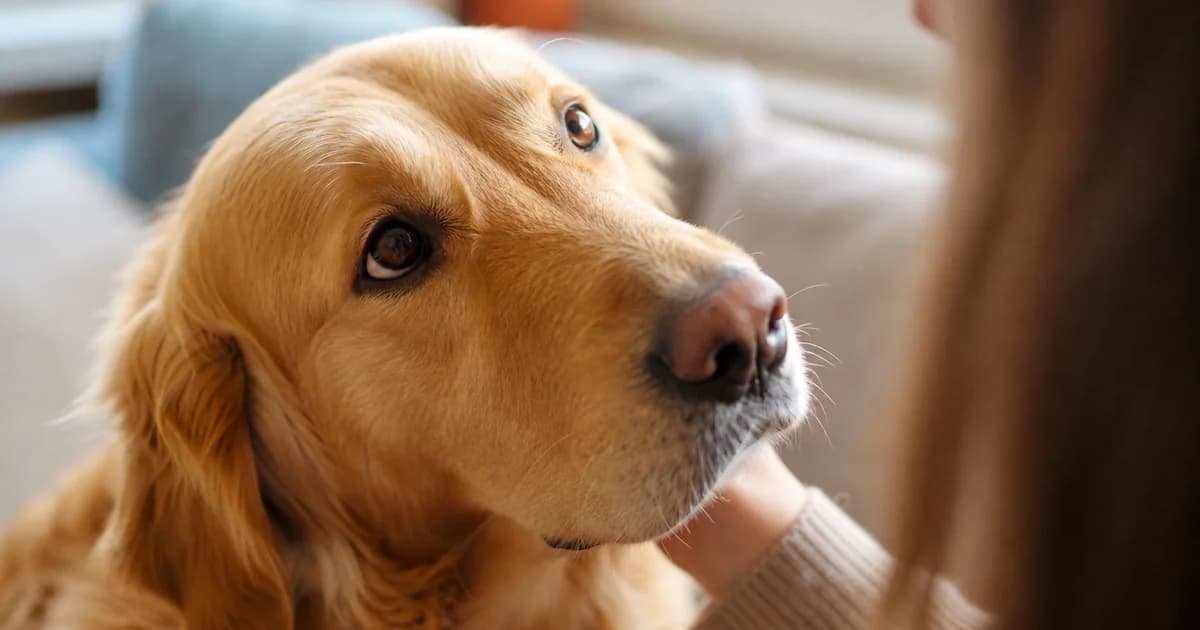
You have felt it. That steady gaze from across the room, your dog's eyes locked on yours with an intensity that feels almost human. Maybe you are eating dinner, working at your desk, or simply relaxing on the couch. Whatever you are doing, your dog is watching. But why? Understanding the meaning behind your dog's stare can transform how you communicate with your furry companion.
Dogs use eye contact as a primary form of communication, but their reasons for staring are far more varied than most owners realize. That gaze might signal love, request information, express confusion, or even indicate discomfort. Learning to read the subtle differences will help you respond appropriately and deepen your connection.
The Science Behind Dog-Human Eye Contact
The ability to form meaningful eye contact with humans is one of the most remarkable outcomes of dog domestication. Wolves, dogs' wild ancestors, view direct eye contact as a threat. A wolf who stares at another wolf is issuing a challenge, often preceding aggression. Dogs have evolved beyond this instinct through thousands of years of living alongside humans.
Research has shown that mutual gazing between dogs and their owners triggers the release of oxytocin in both species. This is the same hormone that helps bond mothers and infants. When you look into your dog's eyes and they look back, you are both experiencing a biochemical surge of affection and attachment.
A study found that dogs who formed eye contact with their owners more frequently also scored higher on measures of attachment and responsiveness. The dogs who sought out eye contact were more likely to look to their owners for guidance in uncertain situations and recovered faster from stressful events.
How Dogs Learned to Read Us
Dogs are unique among animals in their ability to follow human gaze and pointing gestures. Even puppies as young as six weeks old can understand when a human points to indicate where food is hidden. This skill is not present in wolves, even those raised by humans from birth.
This evolutionary adaptation means dogs constantly monitor our faces for information. Your dog watches your eyes to gauge your emotional state, follows your gaze to see what you are looking at, and checks your expression to understand how they should respond to a situation. The stare is often your dog trying to read you.
Six Reasons Your Dog Stares at You
Not all stares mean the same thing. Context, body language, and your dog's overall demeanor provide crucial clues about what they are trying to communicate.
1. The Affection Stare
Soft, relaxed eye contact with a gently wagging tail usually indicates affection. Your dog is gazing at you because they love you and feel safe in your presence. This is the oxytocin-bonding stare, and it is one of the most rewarding aspects of dog ownership.
You will recognize this stare by its quality. Your dog's eyes will be almond-shaped rather than wide, their body will be loose and relaxed, and they may blink slowly. Some dogs accompany this gaze with a contented sigh or by resting their head on their paws.
2. The Request Stare
Dogs quickly learn that staring gets results. If your dog stares at you while you are eating, they are probably hoping for a bite. If they stare at you near the door, they likely need to go outside. If they stare at you while standing near their leash, they want to go for a walk.
This learned behavior develops because it works. Most owners, at some point, have responded to their dog's stare by giving them what they want. Dogs are excellent at recognizing patterns, and they remember which stares produce results.
3. The Confusion Stare
A tilted head accompanied by steady eye contact often signals confusion. Your dog heard a word or saw an action they do not understand, and they are looking to you for clarification. This is particularly common during training sessions when a command is unclear or inconsistent.
The confusion stare is actually a positive sign. It shows your dog is engaged and trying to understand what you want. Dogs who stare with a confused expression are often more trainable than dogs who disengage or look away when uncertain.
4. The Anticipation Stare
Dogs are masters at predicting routines. If you always grab your keys before taking them for a walk, your dog will start watching you intently whenever you touch your keys. They are not just looking at you. They are watching for the specific trigger that predicts something good is about to happen.
This anticipatory staring can become quite specific. Some dogs learn to recognize the sound of a particular cabinet opening, the jingle of a specific leash, or even the way you dress on weekend mornings versus workdays.
5. The Stress or Anxiety Stare
Not all eye contact is positive. A hard, unblinking stare with a tense body can indicate stress, fear, or anxiety. This is particularly common in situations where your dog feels uncertain or threatened. The stare is their way of monitoring a potential threat while remaining ready to react.
You might see this stare during veterinary visits, when encountering unfamiliar dogs, or during thunderstorms. Your dog is looking to you for reassurance while staying vigilant about the source of their discomfort.
6. The Whale Eye
"Whale eye" refers to when a dog turns their head away slightly but keeps their eyes fixed on you, showing the whites of their eyes. This is a sign of anxiety or discomfort. The dog wants to monitor what is happening but does not want to appear confrontational by facing it directly.
Whale eye often appears when a dog is being hugged, restrained, or approached by someone they are unsure about. It is a signal that your dog is not comfortable with the current situation and would appreciate some space.
When Staring Becomes a Problem
While most staring is harmless or even positive, some forms of eye contact can indicate behavioral issues that need attention.
Resource guarding sometimes involves hard staring. If your dog stares intensely at you while eating, chewing a toy, or resting in a favorite spot, they may be warning you to stay away. This type of stare is often accompanied by a stiff body, frozen posture, or low growl.
Obsessive staring can also develop in anxious dogs. If your dog seems unable to look away from you, follows you constantly with their eyes, or becomes distressed when you are out of sight, they may have separation anxiety or hyper-attachment issues.
Responding to Problematic Staring
For resource guarding, consult a professional trainer or veterinary behaviorist. This behavior can escalate if handled incorrectly, and expert guidance will keep both you and your dog safe.
For anxious or obsessive staring, work on building your dog's confidence through positive reinforcement training. Teach them that they do not need to monitor your every move and that good things happen even when they are not looking directly at you.
How to Use Eye Contact in Training
Eye contact is a valuable tool in dog training. Teaching your dog to look at you on cue gives you a way to regain their attention in distracting environments and strengthens your communication.
Start by rewarding your dog whenever they happen to make eye contact with you. Use a clicker or verbal marker like "yes" and immediately give a treat. Your dog will quickly learn that looking at you produces good things.
Once your dog is offering eye contact frequently, add a cue word like "watch" or "look." Say the cue just before your dog naturally looks at you, then reward. Eventually, your dog will look at you on cue even when distractions are present.
Building Duration
After your dog understands the cue, work on building duration. Initially, reward immediately for any eye contact. Gradually increase the time your dog must maintain eye contact before receiving the reward. Start with half a second, then one second, then two seconds, building up to several seconds of sustained attention.
This trained eye contact becomes invaluable in real-world situations. When your dog spots a squirrel, sees another dog, or encounters something frightening, your "watch" cue can break their fixation and bring their attention back to you.
FAQ
Why does my dog stare at me while I eat?
Your dog has learned that staring at you during meals sometimes results in food. Even if you only gave in once months ago, dogs remember what works. The stare is a request, hoping you will share your food. To reduce this behavior, ignore the staring completely and never feed your dog from the table.
Is it bad to stare back at my dog?
For dogs you know and trust, returning soft eye contact strengthens your bond. However, staring intensely at an unfamiliar dog can be threatening. With your own dog, match their energy. If they are giving you a soft, relaxed gaze, you can safely return it. If they seem tense or anxious, look away to help them feel more comfortable.
Why does my dog stare at me before pooping?
This is actually a vulnerability behavior. Pooping puts dogs in a defenseless position, so they look to you for protection. Your dog is checking that you are alert and watching for threats while they are occupied. It is a sign of trust and shows that they view you as part of their security team.
What does it mean when my dog stares at me and whines?
The combination of staring and vocalizing usually indicates a specific need. Your dog might need to go outside, want to play, be hungry, or feel unwell. Look at the context. If they are near the door, they probably need a bathroom break. If they are bringing you a toy, they want to play. Learning your dog's specific patterns helps you respond appropriately.
Should I be concerned if my dog never makes eye contact?
Some dogs naturally avoid eye contact more than others, but a complete absence of eye contact can indicate shyness, past trauma, or vision problems. If your dog never looks at your face, consult your veterinarian to rule out medical issues, then work with a positive reinforcement trainer to build your dog's confidence.
Why does my dog stare at me when I sleep?
Dogs are naturally alert to changes in their environment, and a sleeping human is vulnerable. Your dog may be watching over you, checking that you are okay, or simply waiting for you to wake up and interact with them. Some dogs also stare because they are ready for breakfast and hoping their gaze will magically cause you to wake up.
Conclusion
Your dog's stare is rarely meaningless. Whether they are expressing love, requesting something, seeking guidance, or signaling discomfort, that eye contact is communication. Learning to read the nuances will make you a more responsive owner and strengthen the bond you share.
The next time you catch your dog watching you, take a moment to observe the context. What is their body language telling you? What is happening in the environment? What do they typically want at this time of day? With practice, you will understand your dog's stares as clearly as if they were speaking words.
Remember that every dog is an individual. While these guidelines apply broadly, your dog may have their own unique reasons for staring. Pay attention to the patterns in your specific relationship, and you will develop a communication system that works for both of you.
Want to learn more about canine communication? Explore these related articles:
- Understand dog tail wagging meanings
- Decode dog calming signals and stress signs
- Learn what dog play bows communicate
- Discover the meaning behind dog yawning
- Explore dog licking behavior
Download the Dog Translator app to better understand what your dog is trying to tell you through their sounds, body language, and behaviors.
Try it with your dog
Record a bark, scan a dog photo, or play a sound and see what happens next.