2026-05-25 · 7
Why Do Dogs Yawn? Decoding This Surprising Communication Signal
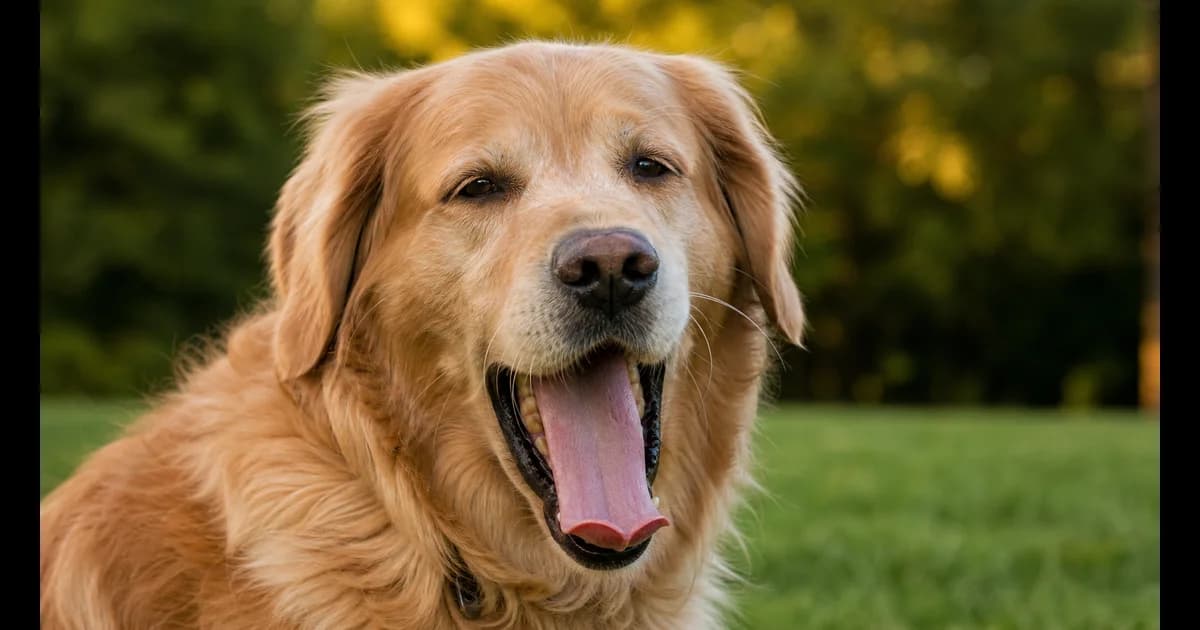
You have seen it happen. Your dog yawns during a training session, at the vet's office, or when a stranger approaches. They got plenty of sleep last night, so why the yawn? The answer reveals one of the most misunderstood aspects of canine communication.
Dogs yawn for many reasons, and tiredness is just one of them. In the world of dog behavior, a yawn is often a message. It can signal stress, diffuse tension, or communicate that your dog needs space. The 2026 National Dog Behavior Analysis identifies reactivity and anxiety as top training concerns, and understanding calming signals like yawning is essential for addressing these issues.
Why Does My Dog Yawn When They Are Not Tired?
The short answer is communication. Dogs use yawning as a calming signal, a concept pioneered by Norwegian dog trainer Turid Rugaas. These signals are a dog's way of maintaining social harmony and managing their own emotional state.
When your dog yawns in a situation that seems alert or tense, they are likely experiencing mild stress or uncertainty. The yawn serves as a self-soothing mechanism, helping them release tension and stay calm. It is similar to how humans might take a deep breath when feeling anxious.
What Most Dog Owners Get Wrong About Yawning
The biggest misconception is assuming a yawn always means a dog is sleepy or bored. This assumption leads owners to miss important emotional cues. A dog who yawns during a training session is not ignoring you. They are likely feeling pressure and trying to cope.
Another common mistake is thinking that a yawning dog is relaxed and approachable. Sometimes the opposite is true. A yawn can indicate that a dog is uncomfortable with a situation and needs space. Approaching a dog who is signaling stress can escalate the situation.
The Counterintuitive Truth About Yawning and Stress
Here is what surprises many owners. Dogs often yawn more when they are trying to be good. During training sessions, at the groomer, or when meeting new people, dogs yawn to show they mean no harm. It is an appeasement gesture, a way of saying "I am not a threat."
This means that a yawning dog might actually be trying very hard to control their impulses. They want to bark, jump, or run away, but they are using yawning as a tool to stay calm. Recognizing this effort helps you understand just how much self-control your dog is exercising.
The Emotional Journey of a Yawn
Understanding the context helps decode what a yawn means. When your dog wakes up from a nap and yawns, they are probably just transitioning from sleep to wakefulness. The body stretches, the jaw opens wide, and the dog moves on with their day.
But watch what happens when the doorbell rings. Your dog hears the sound, their ears perk up, and then they yawn. This is not sleepiness. This is a stress response. The yawn helps them manage the surge of adrenaline that comes with the excitement and uncertainty of a visitor.
At the vet's office, you might see a chain of yawns. The waiting room is stressful. The smells are unfamiliar. Other animals create tension. Your dog yawns to stay calm, then yawns again when the vet approaches, and again during the examination. Each yawn is a coping mechanism.
What Experienced Trainers Notice
Professional dog trainers watch for yawning as an early warning sign. When a dog starts yawning during a training session, smart trainers recognize that they are pushing too hard or moving too fast. The dog needs a break, not more repetition.
Trainers also notice that yawning often precedes other stress signals. A dog who yawns and then licks their lips might be escalating toward more obvious signs of anxiety. Catching the yawn early allows you to change the situation before your dog becomes overwhelmed.
Experienced owners learn to spot the difference between a sleepy yawn and a stress yawn. The sleepy yawn is slow, relaxed, often accompanied by stretching. The stress yawn is quicker, sometimes repeated, and occurs in contexts where the dog is alert and engaged.
How Dog Translator Helps You Understand Yawning
The Dog Translator app includes a comprehensive body language guide that explains calming signals like yawning. Instead of guessing what your dog's behavior means, you can reference expert explanations that decode these subtle communications.
The app's bark analysis feature works alongside body language observation. When your dog yawns and then makes a sound, the AI helps you understand the complete message. Are they stressed? Anxious? Just processing information? The combination of visual signals and vocalizations gives you the full picture.
Understanding yawning transforms how you interact with your dog. You stop misreading stress as boredom. You recognize when your dog needs space instead of more attention. You become a more responsive, empathetic owner.
The Science Behind Canine Yawning
Research into dog cognition has revealed fascinating insights about yawning. Dogs experience contagious yawning, just like humans. When you yawn, your dog might yawn too. This suggests an empathetic connection between species.
Studies also show that dogs yawn in response to stress hormones. When cortisol levels rise, yawning helps regulate the nervous system. It is a biological tool for emotional management, not just a random behavior.
The physiology of a yawn increases blood flow to the brain and helps cool the brain's temperature. In stressful situations, this physiological response helps dogs think more clearly and make better decisions.
Context Clues That Explain the Yawn
To understand what a yawn means, look at what is happening around your dog. A yawn during a relaxed evening at home probably means sleepiness. A yawn when the neighbor's dog walks by likely signals stress or uncertainty.
Pay attention to the rest of your dog's body. Are their ears back? Is their tail tucked? These additional signals confirm that the yawn is related to stress rather than fatigue. A relaxed body with a yawn suggests a sleepy dog. A tense body with a yawn suggests an anxious dog.
The intensity of the yawn matters too. A big, jaw-stretching yawn with noise is more likely to be a genuine sleepy yawn. A quick, tight yawn without much opening is more likely to be a stress signal.
Yawning as Conflict Avoidance
One of the most important functions of yawning is conflict diffusion. When two dogs meet, the submissive or more anxious dog might yawn to signal that they are not looking for trouble. It is a peace offering, a way of saying "I am calm, I am not a threat."
This applies to human-dog interactions too. If your dog yawns when you approach them while they are eating or resting, they might be signaling that they feel slightly threatened but are choosing not to react aggressively. Respect this signal by giving them space.
Understanding this can prevent bites and aggressive incidents. A yawning dog is communicating, not challenging. Listen to what they are saying.
When Yawning Indicates a Problem
While yawning is usually normal, excessive yawning can indicate chronic stress or anxiety. If your dog yawns constantly throughout the day, in many different situations, they might be living in a state of low-grade anxiety that needs addressing.
Changes in yawning patterns can also signal health issues. If your dog suddenly starts yawning much more than usual, or if yawning is accompanied by other symptoms like lethargy or loss of appetite, consult your veterinarian. Pain and illness can cause stress that manifests as increased yawning.
Helping a Dog Who Yawns From Stress
When you notice stress yawning, the best response is to remove or reduce the stressor. If your dog yawns during training, take a break. If they yawn at the vet, give them space and speak calmly.
Create positive associations with stressful situations. Pair the trigger with treats or play. Over time, your dog will learn that the situation is not threatening, and the stress yawning will decrease.
Teach alternative coping mechanisms. Some dogs benefit from having a specific task to focus on when stressed, like targeting a hand or performing a simple trick. This gives their brain something productive to do instead of just feeling anxious.
The Connection to Other Calming Signals
Yawning rarely happens in isolation. It is part of a vocabulary of calming signals that dogs use to communicate. Lip licking, turning the head away, and sniffing the ground are other common signals that often appear alongside yawning.
Learning to read the full range of calming signals makes you a more effective communicator with your dog. You start to see patterns. The yawn before the lip lick before the turned head. Each signal is a step in a conversation, and understanding the sequence helps you respond appropriately.
Frequently Asked Questions
Why does my dog yawn when I pet them?
Your dog might be slightly uncertain about the interaction or using yawning as a calming signal to show they mean no harm. Watch their body language. If they are relaxed, the yawn is probably just a response to feeling comfortable. If they seem tense, give them space.
Is yawning always a sign of stress in dogs?
No. Dogs yawn when tired, just like humans. Context matters. A yawn during a relaxed evening at home is probably sleepiness. A yawn during a training session or at the vet is more likely stress-related.
Can I use yawning to calm my dog down?
Dogs do experience contagious yawning, so yawning yourself might help. However, the more effective approach is to address the source of their stress and give them space to self-regulate.
Why does my dog yawn during training?
Training can be mentally taxing. Yawning often indicates that your dog is feeling pressure or needs a break. Try shortening sessions, using higher-value rewards, or slowing down the pace.
Should I be worried if my dog yawns a lot?
Occasional yawning is normal. However, if your dog is yawning excessively throughout the day in various situations, they might be experiencing chronic stress. Consult a trainer or behaviorist for guidance.
Do puppies yawn for the same reasons as adult dogs?
Yes, but puppies are still learning to regulate their emotions. They might yawn more frequently as they encounter new experiences and learn to manage their stress responses.
Can yawning predict aggression?
Yawning is actually a conflict avoidance signal. A dog who yawns is trying to stay calm, not looking for a fight. However, if you ignore calming signals, a dog might escalate to more obvious warnings like growling.
How is dog yawning different from human yawning?
While both species yawn when tired, dogs use yawning far more frequently as a communication tool. Humans rarely yawn to signal stress or appeasement, but dogs do this regularly.
Understand Your Dog Better With Dog Translator
Ready to decode your dog's behavior? The Dog Translator app helps you understand what your dog is really trying to tell you. From bark analysis to body language guides, you will learn to read the signals you have been missing.
Download today and start communicating with your dog on a whole new level. Because when you understand what they are saying, your bond grows stronger.
Download Dog Translator
Try it with your dog
Record a bark, scan a dog photo, or play a sound and see what happens next.