2026-09-02 · 7
Why Your Dog Eats Grass (And When the Vomiting Actually Means Something)
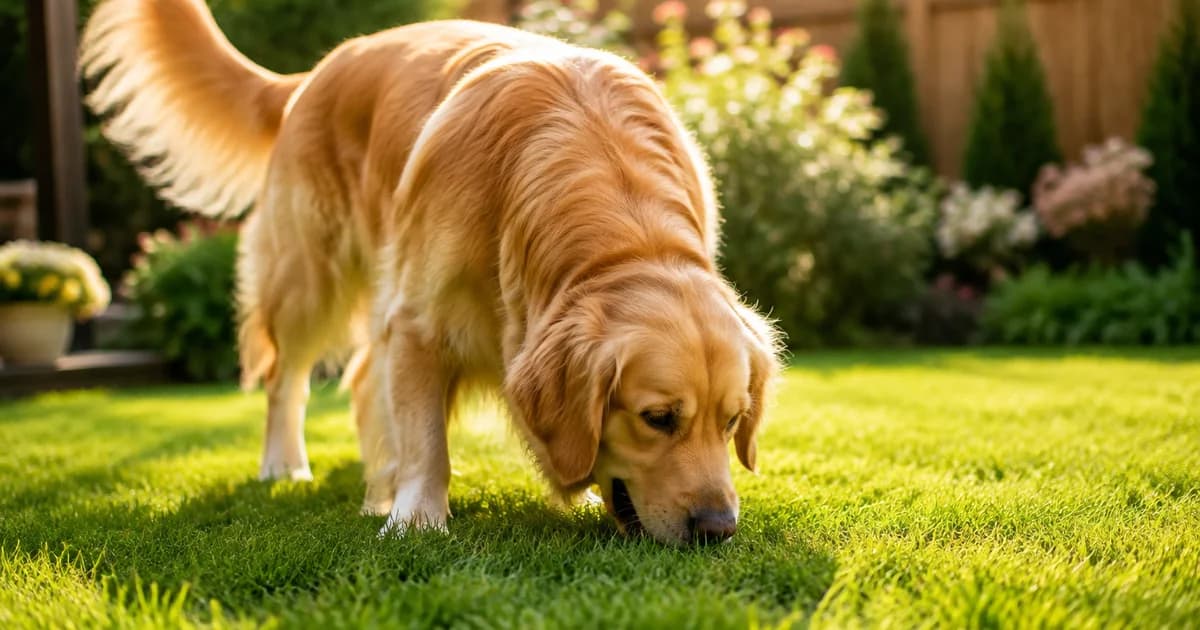
You let your dog into the yard. They ignore the tennis ball, bypass the squirrel, and beeline for a patch of grass like they are mowing a lawn. Ten minutes later, they vomit yellow bile and you are frantically searching "should I call the vet?" This scenario plays out in millions of households, and the internet offers two equally unhelpful answers: "it is totally normal" and "your dog is dying." The truth is more specific than either extreme. Most grass eating is harmless. Some vomiting is routine. But certain combinations of grass eating plus bile vomiting do signal something that needs attention. This post breaks down what the behavior actually means, when to worry, and what you can do at home before making that vet call.
The Biggest Myth About Grass Eating
The most common explanation you will hear is that dogs eat grass to make themselves vomit when they feel sick. It is a tidy theory. It gives the behavior a purpose. It makes owners feel like their dog has some internal medical knowledge. The problem is that the evidence does not back it up.
Studies have found that fewer than one in ten dogs show any signs of illness before eating grass. Only about a quarter vomit afterward. That means most dogs who eat grass are not sick beforehand and do not get sick after. The self-medication theory explains a minority of cases at best.
Dogs eat grass for simpler reasons. Some like the taste or texture. Some are bored. Some have a dietary gap, often fiber-related, and grass fills it temporarily. Some do it because it is there and they are dogs, and dogs put things in their mouths. The behavior is so common that researchers consider it normal, not a pathology.
Why Grass Eating Is Actually Normal
If you have watched a wolf or wild dog documentary, you have probably seen canines in natural settings eating plant material regularly. They eat the stomach contents of herbivore prey. They nibble on grasses and berries. Plant consumption is not foreign to their evolutionary diet.
Domestic dogs do not hunt herbivores for breakfast, but the wiring remains. Grass eating may be a leftover instinct, a way to add roughage, or simply something they enjoy. The key point is that the behavior itself is not the problem. The context around it is what matters.
A dog who eats grass occasionally, seems healthy, has normal energy, and regular bowel movements is almost certainly fine. A dog who eats grass obsessively, loses weight, has diarrhea, or shows other changes may be using grass to cope with discomfort they cannot communicate.
When Grass Eating Becomes a Signal
The behavior becomes concerning when it changes suddenly or shows up with other symptoms. Here is how to tell the difference:
Normal grass eating: Occasional, brief grazing. The dog seems relaxed. No vomiting afterward, or only occasional vomiting. Energy and appetite stay normal. Stools are regular.
Concerning grass eating: Sudden increase in frequency or intensity. The dog seems frantic or obsessive about it. Repeated vomiting, especially bile. Diarrhea or changes in stool. Lethargy or behavior changes. Weight loss. Grass eating immediately after meals or at odd times.
The pattern matters more than the behavior itself. A dog who has always grazed a little is different from a dog who suddenly cannot stop.
Understanding Bile Vomiting
Yellow bile vomiting is where most owners panic, so it is worth understanding what bile actually is. Bile is a digestive fluid produced by the liver and stored in the gallbladder. It helps break down fats. When a dog vomits yellow foam or liquid, that is bile that has backed up into the stomach, usually because the stomach is empty.
The most common trigger is simple: an empty stomach. If your dog eats dinner at 6 PM and breakfast at 8 AM, that is 14 hours without food. Bile accumulates. The stomach lining gets irritated. The dog vomits yellow foam, often in the early morning before breakfast. This is so common that vets have a nickname for it: bilious vomiting syndrome.
Grass can trigger bile vomiting because the roughage stimulates stomach contractions. A dog with an already irritated empty stomach eats grass, the stomach churns, and the bile comes up. The grass did not cause the underlying issue. It triggered something that was already there.
How to Tell What the Vomit Means
Not all vomit is equal. Appearance, timing, and frequency tell you different things:
Yellow foamy bile, early morning, dog seems fine afterward: Usually bilious vomiting syndrome. The stomach was empty too long. Try a small bedtime snack or an earlier breakfast.
Yellow bile with grass pieces, shortly after grazing: The grass irritated an already sensitive stomach. Monitor for recurrence. If it happens once and the dog is normal, it is probably fine.
Bile with blood (coffee grounds or red streaks): Call the vet. Blood in vomit is never normal.
Bile with foreign material (toys, fabric, etc.): Call the vet. This suggests ingestion of non-food items, which can cause obstruction.
Repeated bile vomiting multiple times per day: Call the vet. Occasional morning bile is common. Frequent bile vomiting suggests an underlying issue.
Bile with diarrhea, lethargy, or appetite loss: Call the vet. The combination of symptoms points to something beyond an empty stomach.
What to Do at Home Before Calling the Vet
For the occasional grass grazer who vomits bile once and seems fine, here are a few things to try before calling the vet:
Feed smaller, more frequent meals. Split the daily food into three or four portions instead of two. This keeps something in the stomach more of the time and reduces bile accumulation.
Add a bedtime snack. A small handful of kibble or a plain biscuit before bed can carry a sensitive dog through the night without hitting empty-stomach territory.
Check the diet. Some dogs need more fiber. If your dog's food is very low in fiber, the grass eating may be a self-directed attempt to add roughage. A small amount of cooked pumpkin or a fiber supplement can help.
Review treats and table scraps. Rich or fatty treats can trigger bile production. If you have recently changed treats or started sharing human food, that could be the culprit.
Monitor water intake. Dehydration can concentrate bile and make stomach irritation worse. Make sure fresh water is always available.
Check for stress changes. New schedules, new pets, construction noise, travel — stress affects digestion. A dog who starts eating grass and vomiting bile after a household change may be reacting to stress, not a physical illness.
When You Should Actually Call the Vet
Most grass eating and occasional bile vomiting does not need a vet. But some situations do:
Repeated vomiting over 24 hours. Even if the dog seems fine between episodes, persistent vomiting can lead to dehydration and electrolyte imbalance.
Vomiting with other symptoms. Diarrhea, lethargy, appetite loss, excessive thirst, or behavior changes combined with vomiting warrant a check.
Weight loss. If the dog is losing weight despite normal eating, something is wrong. Grass eating may be a coping mechanism for an underlying condition.
Grass eating after toxin exposure. If your yard was recently treated with fertilizer, herbicide, or pesticide, and your dog is eating that grass, call the vet. Chemical-treated grass is not the same as clean lawn grass.
Puppies and senior dogs. Young puppies have fewer reserves and can dehydrate quickly. Senior dogs may have underlying conditions that make them less resilient. Both groups should be evaluated sooner rather than later.
Known health conditions. Dogs with diabetes, kidney disease, liver issues, or other chronic conditions should be checked promptly if vomiting patterns change.
The Pica Connection
Some dogs eat grass as part of a broader pattern called pica, which means eating non-food items. Pica can involve rocks, fabric, plastic, dirt, and grass. It is more common in puppies, certain breeds like Labradors, and dogs with nutritional deficiencies or anxiety.
If your dog eats grass and other non-food items, the grass is not the main issue. The pica is. This needs a vet to rule out medical causes like anemia or malnutrition, plus behavioral help if the cause is psychological.
Breed Tendencies and Individual Variation
Some breeds seem more likely to eat grass than others. Retrievers, Beagles, and German Shepherds show up frequently in owner reports. Whether this is genetics, higher activity, or just owner observation bias is unclear.
Individual differences matter more than breed. Some dogs are grazers. Some are not. Two dogs from the same litter can have completely different relationships with grass. Know your dog's baseline and watch for changes.
The Lawn Chemical Problem
One real risk of grass eating has nothing to do with the grass and everything to do with what humans put on it. Lawn fertilizers, herbicides, pesticides, and even some mulches can be toxic to dogs. If your dog eats grass from treated lawns, parks, or golf courses, the chemical exposure is a genuine concern.
Signs of lawn chemical toxicity include excessive drooling, vomiting, diarrhea, lethargy, tremors, and seizures. If you suspect chemical exposure, call your vet or an emergency animal poison hotline immediately.
The safest grass is untreated grass from your own yard, where you control what goes on it. If you use lawn treatments, keep your dog off the grass for the duration specified on the product label, usually 24-48 hours.
Tracking the Pattern
The most useful thing you can do is track the behavior. Not mentally. On paper or in an app. Note:
- What time the grass eating happens
- How long it lasts
- Whether vomiting follows
- What the vomit looks like
- What the dog ate before and after
- Any stressors or schedule changes
- Frequency over a week or month
Patterns show causes. A dog who only eats grass at 7 AM before breakfast and then vomits bile is telling you something different from a dog who grazes at noon and never vomits. The first dog probably has bilious vomiting syndrome. The second is just a grazer.
Apps like Dog Translator let you log behaviors, set reminders, and spot correlations you might miss day-to-day. Over time, you build a data set that helps you and your vet make better decisions.
FAQ
Is it true dogs eat grass because they are sick?
Sometimes, but not usually. Most dogs eat grass without showing signs of illness, and most do not vomit afterward. The "self-medication" theory applies to a minority of cases.
Should I stop my dog from eating grass?
If the grass is untreated and the behavior is occasional, there is no need to stop it. If the grass is chemically treated, or if the eating is obsessive, intervene.
Why does my dog vomit yellow bile in the morning?
Usually because the stomach has been empty too long. Bile accumulates and irritates the stomach lining. A small bedtime snack or earlier breakfast often solves this.
Does grass eating mean my dog's diet is deficient?
Possibly, but not necessarily. Some dogs may seek fiber or nutrients they are missing. Others simply like grass. If you are concerned, ask your vet about a diet review.
Can puppies eat grass?
Puppies explore the world with their mouths and may eat grass as part of normal curiosity. Monitor them closely, ensure the grass is clean, and watch for any signs of illness.
Is vomiting bile always bad?
Occasional morning bile vomiting in an otherwise healthy dog is common and usually not serious. Repeated or frequent bile vomiting, especially with other symptoms, needs veterinary attention.
What if my dog eats grass at the dog park?
Dog park grass may be treated with chemicals or contaminated with parasite eggs from other dogs. The risk is low but not zero. If your dog is a frequent grazer, consider deworming on a schedule recommended by your vet.
How do I know if my dog has pica?
Pica involves eating non-food items regularly: rocks, fabric, plastic, dirt, and grass. If your dog consumes multiple non-food items, not just grass, consult your vet to rule out medical causes.
Can stress cause grass eating and vomiting?
Yes. Stress affects the digestive system and can increase stomach acid production, leading to nausea and grass eating as a coping behavior. Address the stress source if possible.
When is grass eating an emergency?
If the grass was chemically treated, if vomiting contains blood, if the dog is lethargic or in pain, or if vomiting is continuous over several hours, seek veterinary care immediately.
Conclusion
Grass eating is one of the most common and misunderstood dog behaviors. The behavior itself is usually harmless. The vomiting that sometimes follows is usually manageable. The real skill is knowing when the combination signals something more serious.
Most owners who panic about grass eating and bile vomiting are reacting to the gross factor, not a real medical emergency. A dog who grazes occasionally and vomits yellow foam once a month is probably fine. A dog who obsessively eats grass, loses weight, and vomits repeatedly is not.
The difference is the pattern. Track the behavior. Know your dog's baseline. Remember that dogs have been eating grass for thousands of years. Most of them are fine. The ones who are not fine will usually tell you through other symptoms.
If you want to log your dog's grass-eating habits, track vomiting episodes, and spot patterns over time, try Dog Translator. It helps you build the data you need to have an informed conversation with your vet, not just a worried one.
Related posts:
- Dog body language: a complete guide to ears, tail, and posture
- Dog calming signals: how dogs communicate stress
- Dog stomach issues: causes and solutions
- Dog vomiting guide: types, causes, and when to worry
- Dog diet and nutrition: what actually matters
- Dog anxiety: signs, triggers, and training solutions
- Puppy care: first year essentials
- Senior dog health: what changes and what to watch
Try it with your dog
Record a bark, scan a dog photo, or play a sound and see what happens next.