2026-05-25 · 6
PettiChat Review: Does This AI Pet Translator Actually Work?
PettiChat is a $149 AI-powered collar that claims to translate your pet's barks and meows into human language with 95% accuracy. Developed by Chinese startup Meng Xiaoyi, it has gone viral across tech blogs and social media. But does it actually work? After reviewing the available research, App Store listings, and community discussions, the honest answer is: we don't know yet, and the claims are scientifically questionable.
What PettiChat Claims to Do
The marketing is ambitious. According to the company's product descriptions and media coverage from Dexerto, Mint, and TechEBlog, PettiChat promises:
- Two-way translation: Not only does it translate pet sounds into human language, but it also converts your speech into sounds your pet can supposedly understand
- 95% accuracy: The company claims 94.6% contextual accuracy for cats and 92.3% for dogs
- 1.2 second translation speed: Real-time processing of vocalizations
- GPS tracking: Built-in location monitoring for your pet
- 20+ emotion detection: The AI recognizes more than twenty different emotional states
- Multi-modal analysis: Combines audio from built-in microphones with motion sensors that track posture and movement
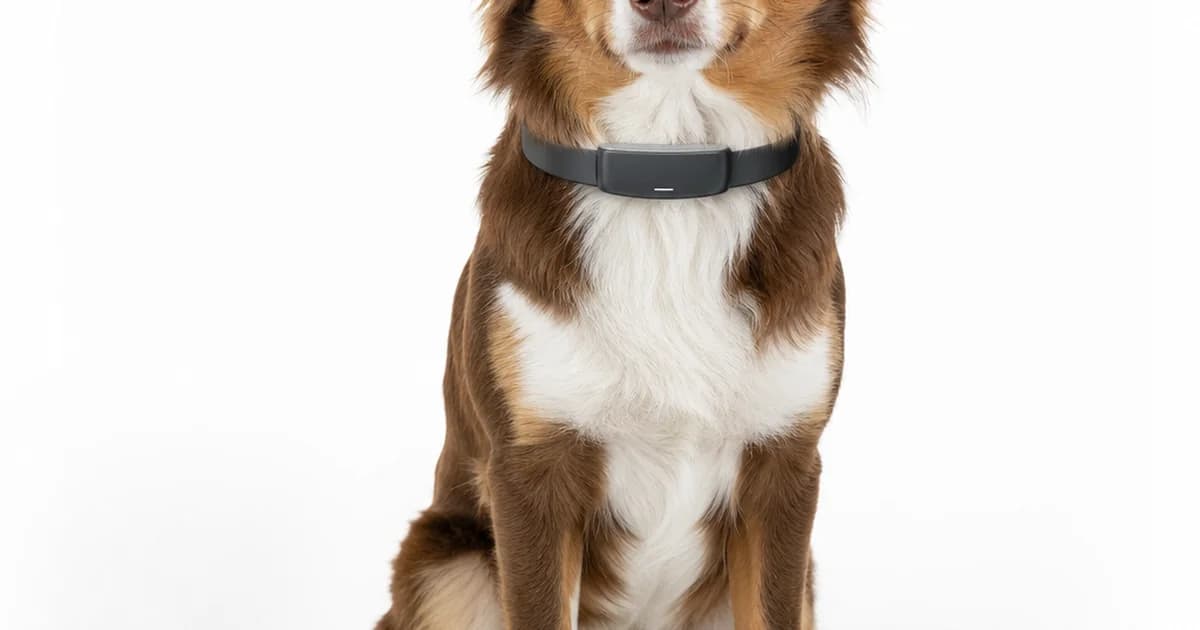
The device weighs 27 grams, clips onto your pet's existing collar, and connects to a smartphone app via Bluetooth. It is priced at $149.99 and runs on Alibaba Cloud's Qwen AI model, trained on what the company describes as millions of pet audio samples and 3,200 hours of video data.
The Company Behind PettiChat
Meng Xiaoyi is a Hangzhou-based startup founded in January 2025. That is four months before the PettiChat launch. This timeline raises eyebrows in the tech community. Building sophisticated AI models typically takes years, not months.
The company secured $1 million in seed funding and claims over 10,000 pre-orders. On paper, they have momentum. But the lack of company history means there is no track record to evaluate. No previous products. No established reputation. No team credentials publicly available.
This does not mean PettiChat is a scam. Many legitimate startups move fast. But it does mean buyers are taking a risk on an unproven company with an unproven product.
Breaking Down the 95% Accuracy Claim
The 95% accuracy figure is the headline that got everyone's attention. It is also the claim that falls apart under scrutiny.
First, Meng Xiaoyi has not published any peer-reviewed studies validating this number. No independent testing. No methodology documentation. No confusion matrices or error analysis. The 95% figure appears only in marketing materials and press coverage.
Second, accuracy of what exactly? The company does not define what they are measuring. Is it accuracy at detecting a bark versus silence? Accuracy at categorizing emotional states? Accuracy at translating specific semantic meaning? These are very different things, and the 95% claim is meaningless without specificity.
Third, compare this to established technology. Google's speech-to-text, developed over years with massive resources, achieves around 95% accuracy for human speech in ideal conditions. Human speech has grammar, vocabulary, and predictable structure. Dog vocalizations have none of these advantages. The idea that a four-month-old startup has matched Google's performance on a harder problem is, at minimum, worth questioning.
The scientific consensus is clear: true semantic translation of animal vocalizations is not currently possible. AI can classify sounds into broad categories. It cannot extract specific meaning like "I want the blue toy, not the red one." What the science actually says about pet translators breaks this down in more detail.
What the App Store Reveals
The PettiChat app is available on the App Store, and its listing tells an interesting story. As of late May 2026, the app has not received enough ratings or reviews to display an overview. This is notable for a product that claims 10,000 pre-orders.
The app description is carefully worded. It describes PettiChat as "a companion app designed to help you better understand your pet" and promises to "support a clearer, calmer way to stay in tune with your pet's emotional changes." These are softer claims than the marketing headlines. The app description never mentions 95% accuracy or two-way translation.
The listing also includes a "Responsible Use" disclaimer stating that PettiChat "provides emotional and behavioral reference only" and "does not offer medical diagnosis or professional advice." This is sensible legal protection, but it also suggests the company knows the technology has limitations.
Recent app updates mention "Optimization of Bluetooth Connection" and "More Device Control Functions," which implies early users may have experienced connectivity issues. The changelog also notes "A more user-friendly onboarding experience for first-time device users," suggesting the initial setup process needed improvement.
What Reddit Users Are Saying
The r/shittykickstarters community has discussed PettiChat, and the sentiment is skeptical. Users there compare it to previous failed pet translator projects like MiBuddy, which raised funds but delivered inferior or non-functional products.
The criticism centers on a few key points:
- The 95% claim is unverified: Without independent testing, the number is just marketing
- The company has no track record: Four months from founding to product launch is unusually fast
- Two-way translation is scientifically dubious: There is no established method for converting human language into animal-interpretable sounds
- The Kickstarter comparison: Some users note that PettiChat's funding model resembles crowdfunding campaigns that have historically overpromised
It is worth noting that r/shittykickstarters is a community dedicated to skepticism about crowdfunding and tech products. The criticism there is not neutral. But the questions they raise are legitimate and worth considering before spending $149.
The Technology: What Is Actually Possible
To fairly evaluate PettiChat, we need to separate what AI can actually do from what the marketing suggests.
Modern AI is genuinely good at audio pattern recognition. When your dog barks, AI can analyze:
- Pitch and frequency: Higher pitches often indicate excitement or distress
- Duration and rhythm: Short, repetitive barks differ from sustained howls
- Tonal patterns: Rising or falling tones carry emotional information
- Acoustic signatures: Different bark types have measurable acoustic properties
How AI dog translators actually work explains this technology in depth. The key point is that AI can categorize vocalizations into broad emotional buckets: playful, anxious, alert, distressed. This is useful, but it is classification, not comprehension.
What AI cannot do is extract specific semantic meaning. It cannot know that your dog wants a treat versus wanting to go outside. It recognizes that a particular bark pattern often accompanies food-related situations, but it does not understand the concept of "food" the way a human does.
The two-way translation feature is even more questionable. The idea that AI can convert human speech into "dog language" assumes we know what dog language is. We don't. We can make educated guesses about what certain tones mean, but we cannot encode complex ideas into barks.
GPS and Hardware Features
Beyond the translation claims, PettiChat includes GPS tracking. This is a more established technology. Pet GPS collars have been around for years, and they work reasonably well. If PettiChat delivers functional GPS tracking, that alone could justify the price for some owners.
The hardware specifications are plausible. A 27-gram device with microphones, motion sensors, and Bluetooth connectivity is technically feasible. The IP65 water resistance rating means it can handle rain and splashes, which is appropriate for a pet device.
The question is whether the hardware works reliably in practice. Early app updates mentioning Bluetooth optimization suggest there may have been connectivity issues. Without independent reviews or long-term user data, the hardware quality remains an open question.
Pricing and Value
At $149.99, PettiChat sits in the mid-range for pet tech. GPS-only collars typically cost $50-100. Sophisticated training collars with multiple features run $100-200. The price is not outrageous if the product delivers on its core promises.
The value proposition depends entirely on which claims you believe. If PettiChat genuinely delivers two-way translation with 95% accuracy, it is revolutionary and underpriced. If it delivers basic bark classification and functional GPS, it is competitive but not exceptional. If it fails to deliver either, it is an expensive disappointment.
For comparison, the Dog Translator app offers bark analysis and breed identification for free with optional premium features. It does not claim impossible accuracy rates or two-way translation. It focuses on what AI can actually do.
Does PettiChat Work for Cats Too?
Yes, according to the company. PettiChat is marketed for both dogs and cats, with slightly different accuracy claims for each species: 92.3% for dogs and 94.6% for cats.
The underlying technology is the same: audio pattern recognition using the Qwen AI model. Cats vocalize differently than dogs, with more variation in pitch and less predictable patterns. Whether the same model works equally well for both species is an open question.
Cat owners should approach PettiChat with the same skepticism as dog owners. The scientific challenges are similar, and the lack of independent testing applies to both species.
What Actually Works for Understanding Your Dog
If you want to understand your dog better, here is what actually works based on established science and veterinary expertise:
Learn dog body language. Understanding what your dog's body language means gives you more insight than any app. Ears, tail, posture, and facial expressions communicate volumes. A wagging tail does not always mean happiness. A yawn often signals stress, not sleepiness.
Understand bark types. What your dog is trying to say with different barks breaks down the seven most common bark types. Alert barks sound different from play barks, which sound different from distress vocalizations. Learning these differences helps you respond appropriately.
Build a relationship through observation. The best "translator" is the bond you develop with your dog over time. You learn their specific signals. You notice when their behavior changes. No AI can replicate the personal history you share with your pet.
Use technology as a supplement, not a replacement. Bark analysis apps can help you notice patterns you might miss. They can track vocalization frequency and timing. They can provide a baseline for measuring changes. But they should augment your observation skills, not replace them.
Also published on Medium: As a Dog App Developer, Here's My Honest Take on PettiChat
Frequently Asked Questions
Is PettiChat legit?
PettiChat is a real product from a real company, but the claims are unverified. Meng Xiaoyi is a legitimate startup with $1 million in funding and a functional app on the App Store. However, the 95% accuracy claim has no peer-reviewed support, and the company has no track record. It is not an obvious scam, but it is also not proven technology.
How accurate is PettiChat?
We do not know. The company claims 94.6% accuracy for cats and 92.3% for dogs, but these numbers come from internal marketing materials, not independent testing. Without published methodology or third-party validation, the accuracy claims are unverified. Legitimate AI research on dog vocalizations suggests 70-85% accuracy is achievable for broad emotional categorization, not semantic translation.
Is PettiChat worth buying?
It depends on your expectations. If you want a GPS collar with possible bark analysis features, $149 is reasonable. If you expect true two-way translation with 95% accuracy, you will likely be disappointed. The product is too new for reliable user reviews, so early buyers are essentially beta testers.
PettiChat vs Dog Translator app: which is better?
They serve different purposes. PettiChat is hardware with ambitious claims about two-way translation. Dog Translator is a software app focused on bark analysis and breed identification without overpromising. Dog Translator is free to try and based on established acoustic research. PettiChat costs $149 and makes claims that exceed current scientific capabilities. For most owners, starting with the free app makes more sense.
Does PettiChat work for cats too?
According to the company, yes. PettiChat is marketed for both dogs and cats with slightly different accuracy claims for each. However, the same scientific limitations apply. Cats vocalize differently than dogs, and there is no independent verification that the technology works equally well for both species.
The Bottom Line
PettiChat is an interesting product that has captured the internet's imagination. The idea of truly understanding what our pets are saying is compelling, and the technology to get part of the way there is real.
But the claims exceed what current science can deliver. Two-way translation with 95% accuracy is not possible with today's technology. The lack of independent testing, the company's short history, and the absence of user reviews all suggest caution.
If you are considering PettiChat, go in with realistic expectations. You might get a functional GPS collar with basic bark analysis. You will not get a device that lets you have conversations with your dog. For that, we will need advances in AI that do not exist yet.
For owners who want to understand their dogs better today, the proven methods remain the best: learn body language, understand bark types, and build a relationship through observation and attention. Technology can help, but it cannot replace the bond you develop with your pet over time.
Download Dog Translator for honest bark analysis, breed identification with Paw AI, and educational guides about what your dog is really trying to tell you.
Try it with your dog
Record a bark, scan a dog photo, or play a sound and see what happens next.