2026-05-20 · 9
Separation Anxiety in Dogs: Signs, Solutions, and When to Worry
Separation anxiety affects up to 20% of dogs, causing distress behaviors like destructive chewing, excessive barking, and house soiling when left alone. Early recognition and targeted interventions can significantly improve your dog's comfort and your peace of mind. Understanding whether your dog has true separation anxiety versus simple boredom helps you choose effective solutions.
What Most People Get Wrong About Separation Anxiety
The biggest misconception is that anxious dogs are being spiteful or angry. They're not. Dogs with separation anxiety experience genuine panic when left alone. Destructive behavior results from distress, not revenge for your departure.
Many owners assume getting another dog will solve the problem. Sometimes this helps. Often the anxious dog simply transfers their attachment to the new companion while maintaining anxiety when both are left alone. The root issue remains unaddressed.
Another common mistake is thinking crate training fixes separation anxiety. For some dogs, confinement amplifies panic. They injure themselves attempting escape. Crates work for house training and management but don't treat underlying anxiety.
Recognizing True Separation Anxiety
Not all unwanted behavior when alone indicates separation anxiety. Some dogs are bored, under-exercised, or simply not house trained. Distinguishing true anxiety from other causes guides appropriate intervention.
Signs of separation anxiety:
- Vocalization begins within minutes of departure
- Destruction focuses on exit points like doors and windows
- House soiling occurs only when alone despite being house trained
- Pacing, drooling, or trembling visible before you leave
- Extreme greeting behavior when you return
- Following you constantly when you're home
- Attempts to prevent you from leaving
Signs of boredom instead:
- Destruction happens hours after departure
- Chewing targets random household items, not exits
- Dog appears calm when you prepare to leave
- Behavior improves with increased exercise and enrichment
Accurate diagnosis matters because treatments differ significantly.
Understanding the Emotional Experience
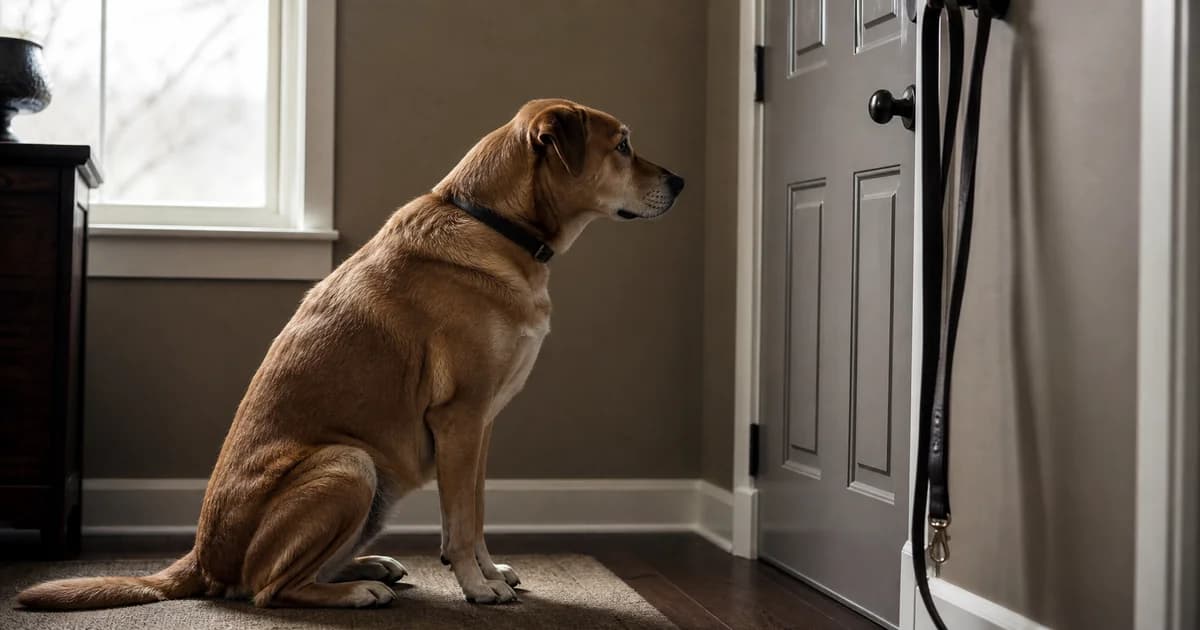
Imagine how your dog feels during an anxiety episode. The person they depend on for safety disappears. They don't understand you'll return. Their body floods with stress hormones. Heart rate increases. Breathing becomes rapid. They experience genuine panic.
This isn't misbehavior. It's a medical condition affecting quality of life for both dog and owner. Dogs with severe separation anxiety live in constant fear. Their owners feel trapped, unable to leave home without worrying about their pet's wellbeing.
The good news is that separation anxiety responds well to treatment. Most dogs show significant improvement with consistent intervention. Some recover completely. Others manage well with ongoing support strategies.
Gradual Desensitization: The Gold Standard
This technique slowly teaches your dog that alone time is safe. The process requires patience but produces lasting results.
How it works:
- Identify your dog's threshold where anxiety begins (might be 30 seconds or 5 minutes)
- Leave for periods shorter than this threshold
- Return before your dog becomes anxious
- Gradually increase duration as your dog succeeds
- Never push beyond what your dog can handle comfortably
Example progression:
- Days 1-3: Step outside for 10 seconds, return
- Days 4-7: Step outside for 30 seconds, return
- Week 2: Leave for 2 minutes, return
- Week 3: Leave for 5 minutes, return
- Week 4: Leave for 15 minutes, return
Sessions should be frequent and short. Multiple 5-minute departures teach more than single long absences. Your dog learns through repetition that you always come back.
Counter-Conditioning Alone Time
Pair departures with positive experiences so your dog learns to associate your leaving with good things.
The special toy method:
Select a high-value toy or treat that only appears when you leave. A stuffed Kong, puzzle feeder, or special chew toy works well. Your dog gets this item immediately before departure and loses access upon your return.
Over time, your departure predicts something wonderful. The anxiety trigger becomes a positive cue. Many dogs begin looking forward to alone time because it means special treats.
Important notes:
- The item must be truly special, not something they get daily
- Remove the item when you return to maintain exclusivity
- If your dog is too anxious to eat, you're leaving for too long
- This works best combined with gradual desensitization
Environmental Management Strategies
While treating underlying anxiety, management prevents rehearsal of unwanted behaviors and reduces stress.
Safe spaces:
Create a comfortable area where your dog feels secure. Some dogs prefer enclosed spaces like covered crates. Others do better with open access to familiar rooms. Experiment to find what works for your individual dog.
Background noise:
Classical music, talk radio, or white noise masks outside sounds that might trigger anxiety. Some dogs find human voices comforting even when recorded.
Calming aids:
- Pheromone diffusers release synthetic calming scents
- Pressure wraps like Thundershirts provide comfort through gentle pressure
- Calming supplements may help mild cases (consult your veterinarian)
- Prescription medications help severe cases while behavior modification progresses
Exercise before departure:
A tired dog has less energy for anxiety. A brisk walk or play session before leaving helps many dogs settle more easily. However, exercise alone won't cure separation anxiety.
Technology That Helps
Modern tools provide insight and support for managing separation anxiety.
Pet cameras:
Monitoring your dog when alone reveals when anxiety starts and how severe it becomes. This information helps adjust your desensitization protocol. Some cameras dispense treats remotely, allowing you to reward calm behavior even from work.
Bark monitors:
Apps and devices track vocalization patterns. They alert you if barking exceeds thresholds. This helps assess whether your dog is improving and whether neighbors are being disturbed.
Download Dog Translator to identify anxiety vocalizations and track your dog's emotional state when alone.
When to Seek Professional Help
Some separation anxiety cases require expert intervention. Consider professional help if:
- Your dog injures themselves attempting escape
- Neighbors complain about noise despite your efforts
- You're unable to leave home for necessary activities
- Progress stalls after 4-6 weeks of consistent training
- Your dog shows signs of depression or other behavioral issues
Certified separation anxiety trainers specialize in this condition. They design customized protocols and provide accountability during the challenging early weeks. Veterinary behaviorists can prescribe anti-anxiety medications that make behavior modification more effective.
The Counterintuitive Truth About Treatment
Here's what surprises most owners. Quick fixes don't work. There is no magic cure for separation anxiety. The gradual approach that seems too slow actually produces the fastest lasting results.
Another unexpected finding: your comings and goings matter less than you think. Dogs with separation anxiety often start stressing when they see pre-departure cues like picking up keys or putting on shoes. Training should address these triggers specifically, not just the actual departure.
Some dogs improve dramatically then regress during stressful periods. This is normal. Life changes, illness, or routine disruptions can trigger temporary setbacks. Return to basics briefly, then resume progress.
Related Articles
- Why Is My Dog Barking at Night? 6 Common Causes and Solutions
- Dog Barking at Strangers? Here's How to Help Them Stay Calm
- Puppy Barking 101: A First-Time Owner's Guide
- Dog Bark Translator vs Dog Training: Which Should You Use?
- What Your Dog's Sounds Really Mean: A Complete Guide
Frequently Asked Questions
How do I know if my dog has separation anxiety or is just bored?
True separation anxiety begins immediately upon departure and focuses on exit points. Boredom causes random destruction hours after you leave. Anxious dogs show distress behaviors like drooling and trembling. Bored dogs appear calm when you leave.
Can separation anxiety be cured?
Many dogs recover completely with proper treatment. Others manage well with ongoing strategies but remain prone to relapse during stress. Severity, duration, and individual temperament affect prognosis. Early intervention produces better outcomes.
Will getting another dog help my anxious dog?
Sometimes, but not reliably. Many anxious dogs simply bond to the new companion while maintaining anxiety when left alone together. Treat the underlying anxiety rather than hoping another dog will fix it.
How long does treatment take?
Mild cases improve in 4-8 weeks. Moderate anxiety requires 2-4 months. Severe cases may need 6+ months of consistent work. Progress isn't linear. Setbacks are normal. Patience and consistency matter more than speed.
Should I use anti-anxiety medication for my dog?
Medication helps severe cases when behavior modification alone isn't sufficient. Drugs don't replace training but make dogs more receptive to learning. Consult a veterinary behaviorist to discuss whether medication fits your dog's situation.
Is crate training good for separation anxiety?
It depends on the individual dog. Some feel safer in enclosed spaces. Others panic when confined. Never force crate training on an anxious dog who shows distress in confinement. Provide alternatives like safe rooms or gated areas.
Can I leave my anxious dog alone during treatment?
Minimize alone time during initial training. Use dog sitters, daycare, or bring your dog with you when possible. Every anxiety episode sets back progress. Protect your training investment by preventing rehearsal of anxious behaviors.
Want to monitor your dog's anxiety when alone? Download Dog Translator to identify stress vocalizations and track emotional patterns over time.
Try it with your dog
Record a bark, scan a dog photo, or play a sound and see what happens next.