2026-06-29 · 6
Dog Mouthing and Gentle Biting: What It Means and How to Stop It
Mouthing and gentle biting are common dog behaviors that often confuse owners. One moment your dog is calmly accepting pets, the next they are gently wrapping their mouth around your hand or wrist. This behavior ranges from harmless to problematic depending on context, intensity, and your dog's age. Understanding why dogs mouth and knowing how to respond can prevent this natural behavior from becoming a persistent problem. Here is what mouthing actually means, why dogs do it, and proven techniques to redirect or eliminate the behavior when needed.
What Is Dog Mouthing?
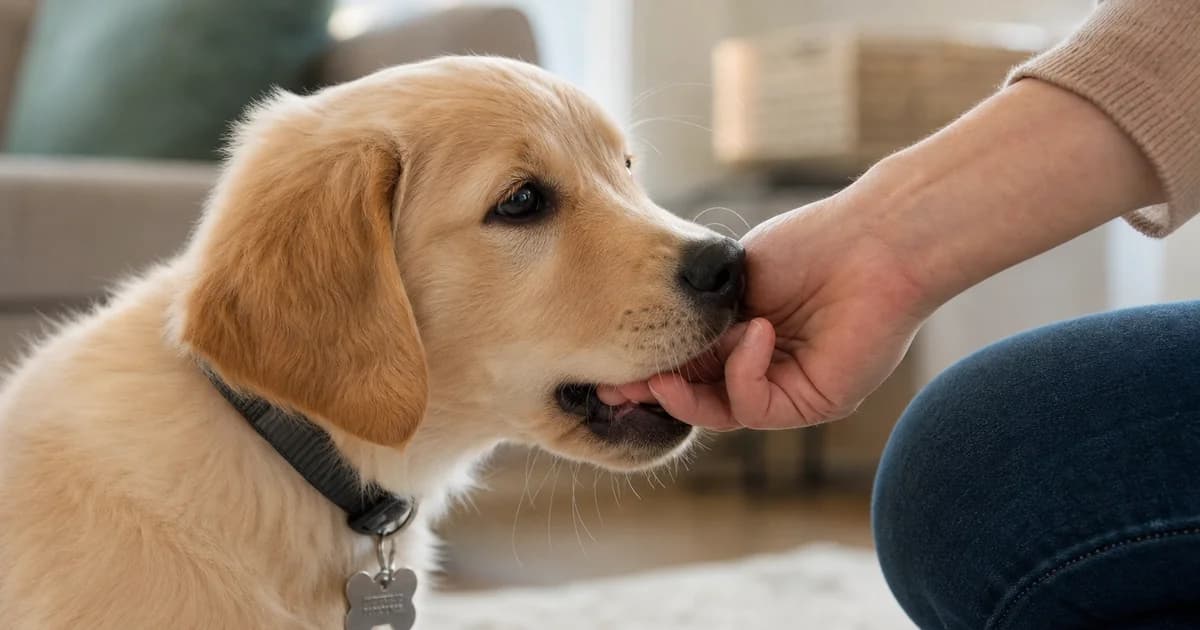
Mouthing refers to when a dog places their open mouth on human skin without applying pressure that would cause injury. Unlike aggressive biting, mouthing involves soft jaws and minimal pressure. The dog is not trying to hurt you. They are communicating something through one of the few tools they possess.
Puppies mouth constantly during their first months of life. This behavior serves multiple developmental purposes. It helps them explore their environment, practice bite inhibition, and interact with littermates. When puppies leave their litter and join human families, they bring this behavior with them.
Adult dogs also mouth, though typically less frequently than puppies. The behavior in mature dogs usually indicates specific emotional states or learned habits rather than developmental exploration.
Why Dogs Mouth: The Psychology Behind the Behavior
Understanding the motivation behind mouthing helps you respond appropriately. Different triggers require different solutions.
Play solicitation. Dogs often mouth when they want to play. The behavior mimics how puppies initiate play with siblings. Your hand becomes a substitute for another dog's neck or leg. This is particularly common in young, energetic dogs with excess energy to burn.
Attention seeking. If mouthing has previously resulted in attention, even negative attention, dogs repeat the behavior. Yelling, pushing away, or dramatic reactions all reinforce the behavior by giving the dog what they wanted: your focus.
Overstimulation. Many dogs mouth when excited beyond their ability to control themselves. Petting sessions that start calmly can escalate into mouthing when the dog becomes overwhelmed by sensation and emotion.
Teething discomfort. Puppies between four and seven months experience significant mouth discomfort as adult teeth emerge. Mouthing provides counter-pressure that temporarily relieves this discomfort, similar to how babies chew teething toys.
Herding instinct. Breeds developed for herding work sometimes mouth ankles, wrists, or clothing. This behavior mimics the gripping and directing actions these dogs were bred to perform on livestock.
Anxiety or stress. Some dogs mouth as a displacement behavior when feeling uncertain or stressed. The repetitive action provides comfort similar to how humans might bite their nails or twirl their hair.
Mouthing vs Aggressive Biting: Knowing the Difference
Distinguishing between playful mouthing and aggressive biting is crucial for safety and appropriate response.
Mouthing characteristics:
- Relaxed body language overall
- Soft, open mouth without tension
- No growling or snarling
- Tail often wagging or neutral
- Dog may lick while mouthing
- Pressure increases gradually if not redirected
Aggressive biting warning signs:
- Stiff, tense body posture
- Closed mouth with lips pulled back
- Growling, snarling, or snapping
- Hard stare or whale eye
- Raised hackles
- Sudden, explosive movement
If you observe aggressive warning signs, consult a professional behaviorist immediately. Aggression requires specialized intervention beyond basic training techniques.
Why Mouthing Becomes Problematic
While natural, mouthing creates several problems when directed at humans.
Skin damage. Even gentle mouths can scratch or bruise skin, especially with repeated contact. Elderly individuals, children, and those with sensitive skin are particularly vulnerable.
Reinforcement of poor impulse control. Allowing mouthing teaches dogs that acting on every impulse is acceptable. This undermines training in other areas where impulse control matters.
Escalation risk. Mouthing that receives mixed signals sometimes escalates into harder biting. The dog learns that increasing pressure gets a reaction, and they test how much pressure works best.
Social consequences. Visitors and strangers rarely appreciate being mouthed by unfamiliar dogs. This behavior can limit your dog's social opportunities and create liability concerns.
Reinforcement of inappropriate chew targets. Hands and clothing should never be appropriate chew targets. Allowing mouthing confuses this clear boundary.
Teaching Bite Inhibition to Puppies
Bite inhibition refers to a dog's ability to control the force of their bite. Puppies naturally learn this skill through interactions with their mother and littermates. When a puppy bites too hard during play, the victim yelps and withdraws attention. This feedback teaches the biter to use softer mouths.
You can continue this education after bringing a puppy home.
The yelp and withdraw method. When your puppy mouths too hard, emit a high-pitched yelp similar to a littermate's pain cry. Immediately stop all interaction for ten to twenty seconds. Cross your arms, turn away, and remove all attention. Resume interaction only when the puppy is calm.
Consistency across all humans. Everyone in the household must respond identically to hard mouthing. Mixed messages confuse puppies and slow learning. Establish household rules before bringing a puppy home.
Gradual pressure reduction. Initially, yelp at any pressure that causes discomfort. As your puppy learns, gradually yelp at lighter and lighter pressure. The goal is teaching the puppy that human skin is extremely sensitive and requires the gentlest possible mouth contact.
Redirect to appropriate targets. Always have chew toys available to offer as alternatives to human skin. When your puppy begins mouthing, calmly substitute a toy. Praise enthusiastically when they accept the replacement.
Training Techniques for Adolescent and Adult Dogs
Older dogs who never learned bite inhibition require different approaches than puppies.
Time-outs. When your dog begins mouthing, immediately remove yourself from the situation. Step behind a baby gate, exit the room, or place the dog in a calm, boring area. The consequence for mouthing is loss of access to you. Return only when the dog is calm, usually after thirty seconds to two minutes.
Substitution training. Keep appropriate chew items within reach. When mouthing begins, offer the alternative before removing yourself. This teaches what your dog should do instead of simply punishing what they should not.
Impulse control exercises. Dogs with better overall impulse control mouth less frequently. Practice "leave it," "wait," and "settle" exercises daily. These skills transfer to mouthing situations by teaching your dog to think before acting.
Exercise and mental stimulation. Many mouthing problems stem from excess energy. Ensure your dog receives adequate physical exercise and mental challenges. A tired jaw is a quiet jaw.
Calm greeting protocols. Excitement often triggers mouthing. Teach your dog that calm behavior earns attention while excited mouthing results in withdrawal. Ignore your dog until they settle, then reward with calm petting.
Preventing Mouthing in Specific Situations
Different contexts require tailored prevention strategies.
During petting sessions. Watch for early signs of overstimulation. Lip licking, yawning, turning the head away, or stiffening indicate your dog needs a break. Stop petting before mouthing begins and allow the dog to reset.
During play. Use toys for interactive play rather than hand wrestling. Tug toys, fetch items, and flirt poles keep mouths occupied appropriately. End play sessions before your dog becomes overexcited.
When greeting visitors. Place your dog on a leash or behind a barrier until they calm down. Release them only when they can approach without mouthing. Teach visitors to ignore the dog until calm behavior appears.
During training sessions. If your dog mouths during training, the session is too exciting or too long. Lower the criteria, increase the rate of reinforcement, or take a break. Training should be enjoyable, not overwhelming.
When handling sensitive areas. Some dogs mouth when touched on paws, ears, or tails. Desensitize these areas gradually using counterconditioning. Touch briefly, then offer a high-value treat. Gradually increase handling duration as your dog learns to associate touch with good things.
Tools and Products That Help
Several products support mouthing reduction efforts.
Bitter sprays. These products make skin taste unpleasant, discouraging mouthing. Apply to hands, clothing, or furniture edges where mouthing occurs. Most dogs find the taste aversive enough to stop the behavior.
Chew toys with varied textures. Offer rubber, rope, and nylon options to determine your dog's preferences. Rotate toys to maintain novelty. The best toy is one your dog actually uses.
Frozen treats. For teething puppies, frozen carrots, wet washcloths, or dedicated frozen chew toys provide relief. The cold numbs gums while the chewing satisfies the urge to mouth.
Calming aids. Dogs who mouth from anxiety may benefit from pherone diffusers, calming supplements, or anxiety wraps. Address the underlying emotional state rather than just the symptom.
Leashes and tethers. Temporary restraint prevents mouthing during high-risk situations like greeting visitors. Use these tools to set your dog up for success while teaching alternative behaviors.
When to Seek Professional Help
Most mouthing responds to consistent training within weeks. Consult a professional if:
- Mouthing escalates to hard biting despite training
- Your dog shows aggressive warning signs alongside mouthing
- The behavior persists or worsens after six weeks of consistent intervention
- Mouthing accompanies other behavioral concerns like separation anxiety or resource guarding
- You feel unsafe handling your dog
Professional trainers and veterinary behaviorists can assess whether underlying issues complicate the mouthing behavior. They provide customized protocols based on your specific situation.
Common Mistakes to Avoid
Well-meaning owners sometimes accidentally reinforce mouthing through these common errors.
Inconsistent responses. Sometimes allowing mouthing and sometimes punishing it creates confusion. Dogs cannot understand why the behavior is acceptable on Tuesday but not Wednesday. Establish clear rules and follow them consistently.
Using hands as toys. Wrestling with your puppy using your hands teaches them that human skin is an appropriate chew target. This lesson is hard to unlearn later. Use toys for all interactive play from day one.
Punishment-based approaches. Physical corrections, alpha rolls, or harsh verbal reprimands damage your relationship and often increase anxiety-related mouthing. These methods may suppress behavior temporarily but create new problems.
Insufficient exercise. A dog with pent-up energy will find outlets, often through mouthing. Before blaming your dog for behavioral issues, honestly assess whether their physical and mental needs are met.
Ignoring early warning signs. Small mouthing incidents ignored today become established habits tomorrow. Address the behavior consistently from the first occurrence rather than hoping it resolves naturally.
The Role of Breed and Individual Temperament
Some dogs mouth more than others due to genetic predisposition and individual personality.
Retrievers and sporting breeds often mouth because they were bred to carry game gently in their mouths. This genetic heritage makes them more likely to use their mouths during interaction.
Herding breeds may mouth ankles and clothing as an expression of their instinct to control movement. This behavior requires specific redirection toward appropriate herding activities or toys.
Terriers sometimes mouth with more intensity due to their history of hunting small prey. Their bite inhibition may need extra attention during puppyhood.
Individual variation matters as much as breed tendencies. Some dogs are naturally mouthy regardless of breed, while others rarely use their mouths during interaction. Work with your individual dog's tendencies rather than against them.
Building a Positive Relationship Through Training
Addressing mouthing strengthens your bond with your dog when approached correctly. The process teaches communication, builds trust, and establishes you as a fair leader.
Focus on teaching what you want rather than punishing what you do not want. Celebrate small victories and maintain patience through setbacks. Remember that your dog is not trying to dominate or disobey you. They are simply behaving in ways that feel natural to them.
With consistency, appropriate exercise, and clear communication, most dogs learn to interact without mouthing. The result is a well-mannered companion who respects human boundaries while maintaining their natural doggy charm.
Frequently Asked Questions
Is it normal for my dog to mouth my hand when I pet them?
Mouthing during petting is common but not ideal behavior. It usually indicates overstimulation or learned attention-seeking. Teach your dog that calm petting continues while mouthing ends the interaction. Stop petting when mouthing begins and resume only when your dog settles.
At what age should puppies stop mouthing?
Most puppies significantly reduce mouthing by seven to nine months as adult teeth fully emerge and bite inhibition training takes effect. However, without consistent training, some dogs continue mouthing into adulthood. Early intervention prevents long-term habits.
Why does my dog only mouth certain people?
Dogs mouth people who have previously reinforced the behavior, even accidentally. If someone yelps dramatically, pushes the dog away playfully, or otherwise engages when mouthing occurs, the dog learns that person is fun to mouth. Consistent responses from all humans solve this issue.
Can mouthing turn into aggression?
Mouthing itself does not cause aggression, but inconsistent handling can create frustration that leads to harder biting. Additionally, mouthing sometimes masks underlying anxiety or stress that could escalate if not addressed. Proper training prevents these negative outcomes.
Should I let my puppy mouth during play?
No. While puppy mouthing seems harmless and cute, allowing it teaches your puppy that human skin is an appropriate target. Redirect all mouthing to toys from the beginning. Your future self will thank you when your adult dog understands that hands are not for biting.
What if my dog mouths when they are excited to see me?
Excitement mouthing responds well to calm greeting protocols. Ignore your dog completely until they settle, then offer calm attention. Teach an alternative behavior like sitting that earns greeting. With consistency, your dog learns that calm behavior brings the interaction they want.
Related Articles
Try it with your dog
Record a bark, scan a dog photo, or play a sound and see what happens next.